An authoritative evaluation of cross-border procurement dynamics, technical durability metrics under extreme hyper-arid marine conditions, and direct OEM supply chain integration between Chinese manufacturing hubs and the Sultanate of Oman.
The Sultanate of Oman is undergoing a historical industrial transition under the directive of Oman Vision 2040. Guided by ambitious economic diversification agendas, national investments have pivoted vigorously from raw hydrocarbon extraction toward complex midstream refining, heavy maritime transshipment, renewable hydrogen infrastructures, and extensive inland logistics networks. Mega-zones such as the Special Economic Zone at Duqm (SEZAD), the Port of Sohar & Freezone, and the Salalah Logistics Cluster serve as core conduits for breakbulk, project cargo, and energy equipment.
Within these heavy-load corridors, synthetic lifting slings (polyester flat webbing and endless round slings), high-tonnage cargo ratchet assemblies, and fall protection personal protective equipment (PPE) cease to be simple consumables. They represent mission-critical operational anchors. Project contractors, oilfield logistics operators, and port stevedores across Muscat, Duqm, Sohar, and Nizwa require certified, fail-safe equipment engineered to eliminate supply chain downtime and operational fatalities.
Equipment deployed in the Sultanate faces severe environmental degradation unmatched by temperate operating zones. The convergence of ambient summer temperatures frequently exceeding 50°C (122°F), prolonged exposure to intense ultraviolet (UV-A and UV-B) radiation index ratings upwards of 11+, extreme relative humidity in coastal Salalah and Sur, and micro-fine particulate abrasion during regional Shamal dust storms degrades standard commercial polymers within weeks.
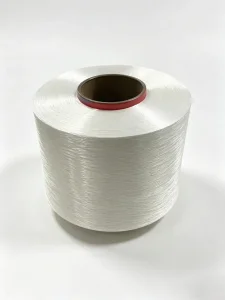
Conventional off-the-shelf cargo control belts suffer rapid embrittlement, catastrophic tensile capacity drop-offs, and micro-abrasion failures when exposed to silica sands trapped between fiber weaves. As a dedicated manufacturer, our Tianjin factory formulates proprietary thermo-stabilized, UV-inhibited 100% continuous filament AA-grade polyester yarns (210D series) capable of retaining structural integrity, high elasticity thresholds, and chemical stability under prolonged Arabian Gulf sun and salt-mist exposure.
Tailored mechanical hardware and certified textile solutions addressing the high-risk lifting and securing demands of the Sultanate's core economic sectors.
Drilling rig moves across the Rub' al Khali perimeter, Fahud, Nimr, and Marmul oilfields demand extraordinary rigging durability. Moving mast sections, mud tanks, and drill collars requires heavy-duty 50mm to 100mm ratchet lashing belts and duplex flat webbing slings certified to rigorous oilfield standards. Equipment must resist synthetic drilling fluids, crude oil splashes, and intense mechanical friction against rough tubular steel without fiber decomposition.
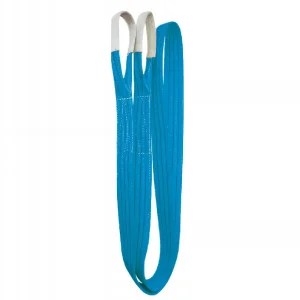
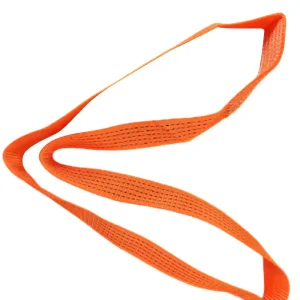
At deepwater berths handling breakbulk wind turbines, structural steel, and containerized goods, crane operators demand EN 1492-1 compliant endless round slings and reinforced eye-eye webbing belts. With high saltwater aerosol concentrations, metallic hooks and ratchet buckles must feature electro-galvanized or marine-grade stainless steel (AISI 304/316) passivated surface treatments to prevent pitting corrosion and catastrophic tensile shear under dynamic load snap.
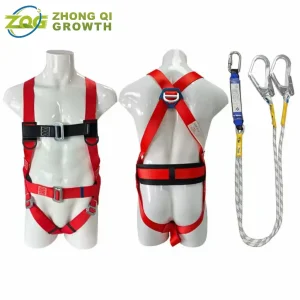
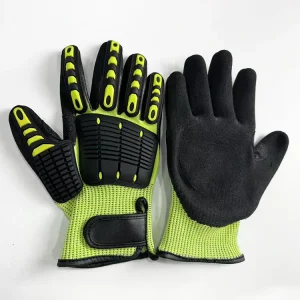
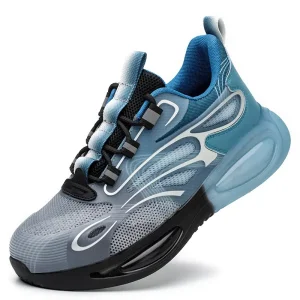
From utility-scale solar photovoltaic arrays in Ibri and Manah to mega wind projects in Dhofar, structural assembly requires height-safety fall arrest harnesses (CE EN 361) and specialized rigging slings. The high thermal coefficient of metal scaffolding in direct sunlight necessitates breathable, lightweight PPE work footwear, TPR anti-impact heat-dissipating safety gloves, and harnesses fitted with ventilated pads that minimize heat stroke risks for expatriate and local technicians.
Eliminate intermediate broker markups. We engineer, weave, sew, inspect, and palletize custom-branded industrial lifting webbing, ratchet tie-downs, and PPE direct from our Tianjin manufacturing complex to Port Sultan Qaboos, Sohar, and Salalah.
Send Inquiry Now for Wholesale Container PricingHow vertical integration—from industrial yarn spinning to high-precision automatic needle looming and computerized tensile proof testing—delivers rock-solid reliability for Middle Eastern bulk importers.
Unlike secondary fabricators who purchase commoditized gray webbing on the open spot market, our manufacturing infrastructure controls the molecular integrity of the fiber. We formulate our high-tenacity industrial continuous yarn using premium 210D AA Grade polyethylene terephthalate (PET). This guarantees high molecular orientation, minimal elongation under working load (<3.5% at nominal WLL), exceptional thermal endurance up to 100°C, and intrinsic chemical resistance to acids and hydrocarbons.
Each extrusion batch undergoes rigorous denier consistency verification, breaking strength testing, and specialized UV-stabilizer infusion. This prevents premature photo-oxidation degradation when slings and ratchet straps are deployed in the sun-drenched environments of northern and interior Oman.
Our facility operates synchronized European-engineered heavy-duty narrow fabric needle looms. We produce multilayer duplex and quadruplex sling webbing structures with integrated edge-reinforcement ribs designed to absorb side-scuffing abrasion. Our programmable CNC multi-needle sewing machines execute computer-patterned box-X and circular bar-tacking using bonded high-tenacity sewing threads, eliminating human sewing variances and ensuring 100% load distribution across every structural seam.
Structural integrity in heavy lifting is non-negotiable. Our quality management system maintains an on-site 100-ton horizontal hydraulic tensile testing laboratory. Random production samples are pulled continuously for destruction testing to verify the certified 7:1 Safety Factor (SF) for lifting slings (EN 1492-1) and 2:1 / 3:1 safety margins for cargo lashing systems (EN 12195-2).
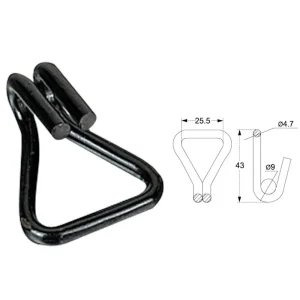
Every batch of ratchet buckles, double-J hooks, flat hooks, and safety harness D-rings is subjected to a 72-hour neutral salt spray test (ASTM B117 / ISO 9227) to validate anti-corrosion barrier endurance against the saline-heavy marine mist characteristic of the Gulf of Oman and the Arabian Sea.
Located adjacent to Tianjin Port—one of North China's premier international shipping hubs—our containers enjoy immediate feeder access and direct trunk liner schedules to Muscat (Sultan Qaboos), Sohar, and Duqm ports with streamlined multimodal documentation, minimizing transit buffers and inland freight surcharges.
| Standard Color Code (EN 1492-1) | Working Load Limit (WLL) - Straight | Choked Hitch Capacity (0.8x) | Basket Hitch Capacity (2.0x) | Base Webbing Width | UV / Thermal Retention Factor (>50°C) | Recommended Omani Industry Sector |
|---|---|---|---|---|---|---|
| Violet (1T) | 1,000 kg | 800 kg | 2,000 kg | 30 mm - 35 mm | 94.8% Breaking Strength Retention | Light Warehousing & Workshop Assembly |
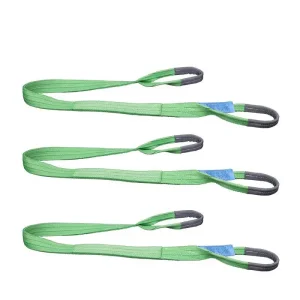
| Green (2T) | 2,000 kg | 1,600 kg | 4,000 kg | 50 mm - 60 mm | 95.2% Breaking Strength Retention | General Civil Construction & Pipe Laying |
| Yellow (3T) | 3,000 kg | 2,400 kg | 6,000 kg | 75 mm - 90 mm | 96.1% Breaking Strength Retention | Oilfield Skid Rigging & Machinery Relocation |
| Grey (4T) | 4,000 kg | 3,200 kg | 8,000 kg | 100 mm - 120 mm | 96.0% Breaking Strength Retention | Heavy Steel Structural Erection (Duqm Drydock) |
| Red (5T) | 5,000 kg | 4,000 kg | 10,000 kg | 125 mm - 150 mm | 96.5% Breaking Strength Retention | Precast Concrete Slab & Highway Infrastructure |
| Orange (10T+) | 10,000 kg+ | 8,000 kg+ | 20,000 kg+ | 300 mm Multilayer | 97.2% Breaking Strength Retention | Offshore Marine Berth & Refinery Turbines |
Navigating cross-border compliance demands absolute adherence to GCC Standardization Organization (GSO) and energy operator safety frameworks.
In Oman's upstream oil and gas sector, PDO's SP-1251 (Specification for Training and Certification of Lifting Personnel & Equipment) and PR-1708 dictate rigorous criteria for synthetic lifting accessories. All slings delivered into PDO concession blocks must feature indelibly marked, UV-resistant PVC trace tags showing certified WLL, serial numbers, traceability batch codes, and the official EN 1492-1 color schema. Our OEM export packaging includes individual inspection passports ready for third-party auditing (e.g., Bureau Veritas, DNV, Velosi).
As the unified safety voice of Oman's hydrocarbon and industrial contractors, OPAL enforces unified Road Safety Standards and cargo tie-down mandates. Our heavy-duty 50mm x 10m (5,000 kg breaking force) ratchet lashing belts and US-standard flat hook tie-downs adhere directly to OPAL cargo securing guidelines, guaranteeing that transport flatbeds traversing the Muscat-Salalah highway or interior concession routes pass road safety checkpoints without non-compliance citations.
Products cleared through Omani customs via the Bayan portal must comply with standards governed by the Ministry of Commerce, Industry and Investment Promotion (MOCIIP) and GCC Standardization Organization (GSO) rules. We supply complete technical compliance dossiers with every export shipment, including CE Declarations of Conformity, EN 361 fall arrest certificates, EN ISO 20345 footwear test reports, and non-asbestos declaration documents, facilitating swift customs clearance.
Pioneering smart asset management and advanced materials designed for the digitized construction and port ecosystems of tomorrow.
To resolve the labor-intensive requirement of quarterly manual rigging inspections mandated across Gulf industrial yards, our advanced product lines offer vulcanized high-frequency RFID and NFC transponders embedded directly within sling sleeves and safety harness labels. Technicians armed with handheld terminals can instantly scan assets in field conditions, pulling up maintenance records, manufacturing dates, tensile ratings, and inspection approvals directly into cloud ERP platforms.
Under development for release across high-ambient GCC export lines, our patented dual-color optical indicator fibers are woven into the internal load-bearing core. When continuous environmental or frictional thermal load exceeds critical thresholds, the inner telltale core shifts color, warning rigging supervisors of internal micro-fiber annealing before outer catastrophic structural failure occurs.
Supporting Oman's national goal of Net-Zero emissions by 2050, our R&D team has deployed recycled post-consumer PET polymer purification technologies to synthesize industrial continuous filament yarns. These green lashing assemblies match virgin polyester breaking tenacity within a 2.5% tolerance window, providing multinational engineering contractors operating in Oman with carbon-reduced scope 3 procurement options.
Analyzing how geopolitical realignment, container freight stabilization, and one-stop manufacturing ecosystems are transforming procurement strategies across the Gulf Cooperation Council.
Historically, regional hardware stockists in Ruwi, Ghala Industrial Estate, and Sohar procured lifting slings from specialist textile suppliers, ratchet buckles from hardware metal stampers, and safety boots and helmets from disparate trading agents. This fragmented approach introduced severe risks: mismatched quality tolerances, unpredictable lead times, inflated intermediary markups, and complicated cross-border payment structures.
Tianjin ZhongQi Growth Technology dismantles this friction. By housing automated industrial yarn extrusion, webbing weaving, metal hardware stamping, harness assembly, and certified footwear molding within one coordinated factory network, we allow Omani importers to consolidate an entire inventory portfolio—from 10-ton crane slings to CE EN 361 fall harnesses and safety footwear—inside single 20GP or 40HQ export containers.
In industrial capital expenditure calculations, purchasing the lowest-priced uncertified sling often generates the highest Total Cost of Ownership. Webbing failures on an active oil rig or at a port container gantry incur project delay penalties exceeding tens of thousands of Omani Rials per hour, not to mention regulatory shutdown risks from the Ministry of Labour.
Our OEM partnership model optimizes every procurement dollar through strict batch repeatability, extended product service life under desert UV conditions, customized private labeling that elevates distributor brand equity, and transparent direct-from-factory pricing structures unburdened by regional commercial brokerage.
Clear, engineering-backed answers to essential queries from Omani importers, logistics contractors, and commercial safety stockists.
The Sultanate of Oman adheres to Gulf Standardization Organization (GSO) regulations, which closely mirror European Norms (EN). Lifting slings must be certified to EN 1492-1 (flat webbing) or EN 1492-2 (round slings) with a certified 7:1 safety factor. Cargo lashing ratchet straps must conform to EN 12195-2. For oil and gas operations under PDO concession zones, products must also meet PDO SP-1251 and PR-1708 labeling and proof-testing specifications.
Yes. We specialize in comprehensive OEM/ODM private-label manufacturing. We can customize the sewn-in technical trace labels with dual Arabic and English text, incorporate your company logo, print custom brand graphics along the entire webbing length, and package items in customized retail-ready color boxes or branded heavy-duty cartons suited for showroom display across Muscat, Sohar, and Salalah.
We weave our slings exclusively from 100% continuous virgin AA-grade high-tenacity polyester yarns treated with specialized thermal stabilizers and UV-blocking chemical additives. Unlike cheap mixed-fiber substitutes, our polyester retains over 95% of its structural breaking capacity under prolonged exposure to desert UV radiation and ambient operating temperatures ranging up to 100°C.
Standard production lead times for consolidated FCL (Full Container Load) orders are typically 20 to 30 working days from technical sample confirmation. Ocean freight transit from Tianjin Port to Port of Sohar, Port Sultan Qaboos (Muscat), or Port of Salalah typically ranges between 18 and 26 days depending on carrier routing and transshipment schedules.
Yes. Container consolidation is one of our primary competitive advantages. Because we manufacture fall protection gear, webbing slings, cargo straps, anti-impact gloves, and safety footwear within our integrated industrial ecosystem, you can optimize your working capital and freight costs by combining diverse product lines into a single, perfectly packed container.
We supply an export documentation package including the Commercial Invoice, Packing List, Original Certificate of Origin (COO, legalized as required), Bill of Lading (B/L), CE/GS Declaration of Conformity certificates, and batch tensile test reports. This ensures smooth clearance through the Royal Oman Police Directorate General of Customs online Bayan system.
Select from our production-proven portfolio of certified cargo restraint assemblies, PPE safety footwear, anti-impact gloves, and fall arrest harnesses engineered for Middle Eastern industrial conditions.
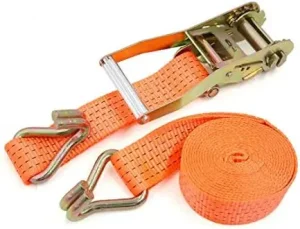
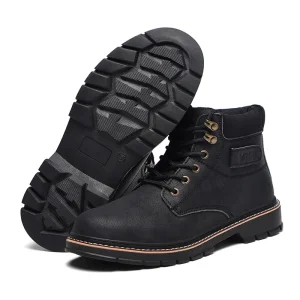
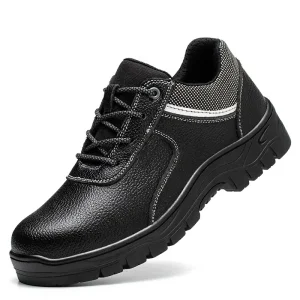
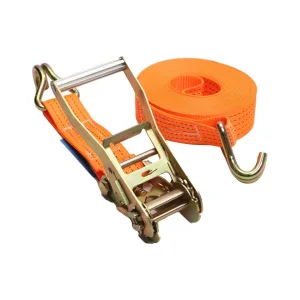
Whether you are outfitting major infrastructure developments across Duqm, upgrading drilling fleet lashing equipment in Nimr, or stocking wholesale distribution centers in Muscat and Sohar, our technical sales engineering team provides full specifications, compliance documentation, and factory-direct commercial quotations within 24 hours.
