
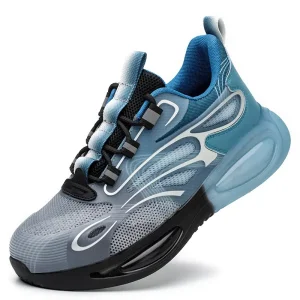
Pre-engineered heavy foul weather solutions tested under rigorous East African upland conditions and multi-sector industrial projects.
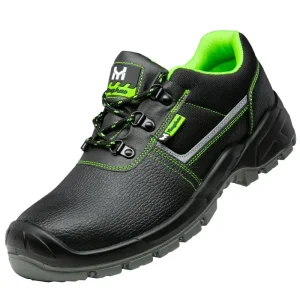
How rapid industrialization, the Ethiopian Monsoon (Kiremt), and multi-billion-dollar infrastructure developments are reshaping technical outerwear requirements.
The Federal Democratic Republic of Ethiopia represents one of the most dynamic economies in Sub-Saharan Africa. However, its unique topography presents distinct climatic operating hurdles. The primary wet season, locally known as Kiremt (spanning from late June to mid-September), brings torrential rains, dense mist, and dramatic temperature drops across the Ethiopian Highlands—including Addis Ababa, Hawassa, and Dire Dawa.
Standard retail PVC rainwear breaks down rapidly under the combination of intense equatorial UV at 2,400+ meters elevation and relentless mechanical stress. Industrial sectors such as road networks (ERA), agricultural processing (Oromia & Amhara coffee belts), and hydro projects (such as GERD) require specialized high-vis rain suits capable of maintaining high hydrostatic resistance while offering ripstop longevity.
On a macro scale, the global industrial rainwear market is transitioning decisively away from toxic, heavy, non-recyclable monofilament PVC toward multi-layer thermoplastic polyurethane (TPU), polyether-based PU films, and bio-circular laminates. European and North American regulatory pressures (such as REACH and PFAS bans) have propelled manufacturers in North China to upgrade coating chemistries.
For procurement officers supplying operations in East Africa, sourcing compliant gear directly from integrated manufacturing clusters eliminates middleman friction. Modern composite rain suits integrate micro-porous breathable membranes that let water vapor escape during intense physical labor while blocking horizontal storm-driven rain up to 200 mbar pressures.
Supply Chain Security Note for Ethiopian Importers: Shipping via the Red Sea shipping corridor through the Port of Djibouti into the Modjo Dry Port demands strict container moisture protection and vacuum anti-mildew baling. ZhongQi provides customized maritime export packaging that guarantees fabric coatings remain free of plasticizer migration during transshipment.
Constructed with dual-side PVC/PU formulations yielding water barrier resistance beyond 20,000mm H₂O, preventing wet-out during tropical highland storms.
Every structural seam is radio-frequency molecular-welded or reinforced with dual-layer polyurethane seam tape, completely eliminating needle puncture leaks.
Integrated prismatic retroreflective strips maintain luminous retroreflection (>400 cd/lx/m²) under heavy fog, night operations, and mud contamination.
Tailored configurations addressing the unique structural, biological, and thermal requirements across key local commercial vectors.
| Sector / Operating Arena | Climatic / Operational Challenge | Recommended Rainwear Architecture | Material Specification |
|---|---|---|---|
| Civil Infrastructure (ERA Roadworks & Railways) | Heavy downpours, high machinery collision hazard, wet mud abrasion in mountain cuts. | Two-piece Heavyweight Split Suit with bib-trousers, storm fly-front, and EN ISO 20471 Class 3 reflective banding. | 0.35mm–0.45mm PVC/Polyester/PVC composite, high tear resistance (>150N). |
| Commercial Agro-Plantations (Coffee, Tea, Cut Flowers) | Continuous vegetation contact, thorns, chemical pesticide drift, persistent morning condensation. | Long hooded foul-weather trench coat with raglan sleeves and storm cuffs; oil & chemical splash barrier. | Laminated Stretch PU on tricot knitted backing, anti-fungal treated. |
| Mining & Quarrying (Gold, Potash, Marble Sectors) | Subterranean moisture, high slurry concentration, rock fragmentation impact. | Heavy vulcanized chemical-resistant boiler suits or reinforced jacket/pants paired with steel-toe PVC boots. | 500D Oxford Polyester coated with flame-retardant and oil-resistant PVC. |
| Logistics & Intermodal Freight (Djibouti-Addis Corridor) | Prolonged outdoor loading in driving rain, transitioning between cold highlands and hot dry lowlands. | Breathable 3-in-1 all-weather jacket system with detachable thermal fleece liner and pit-zip ventilation. | 3-Layer PTFE/TPU membrane fabric, breathability >5,000 g/m²/24h. |
As Ethiopia expands its national eco-industrial parks (such as Bole Lemi, Hawassa, and Kilinto), regulatory inspection for personal protective gear is progressively matching international EN and ANSI frameworks. The next 5-year technical roadmap focuses on three technological pillars:
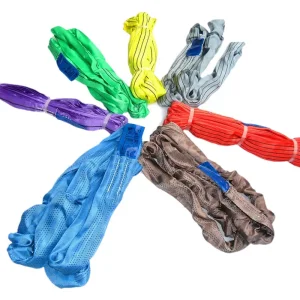
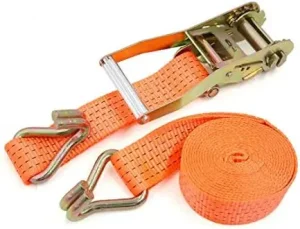
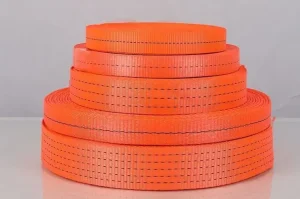
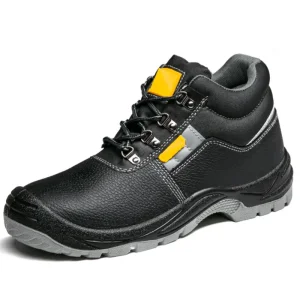
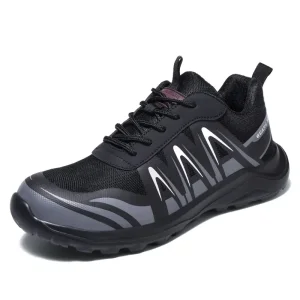
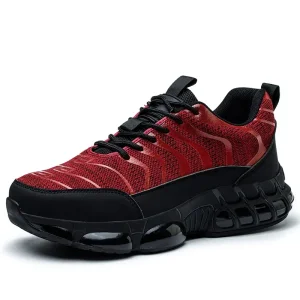
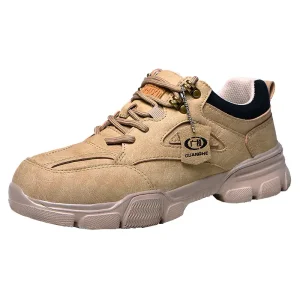
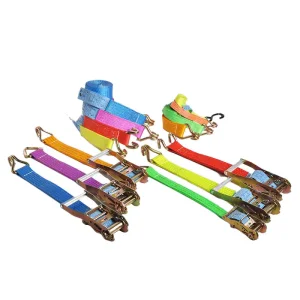
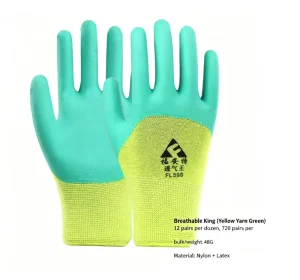
Heavy-duty strapping, secure lashing systems, and specialized PPE designed for end-to-end industrial protection across Ethiopia.
Essential guidance on importing certified raincoats, freight clearance, minimum run requirements, and material customizations.
Connect with our technical PPE export team for customized quotes, compliance dossiers, fabric swatch books, and direct-to-Ethiopia freight schedules.
Send Inquiry Now