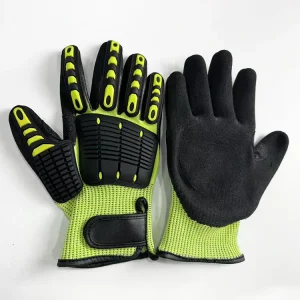
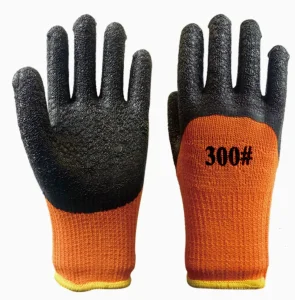
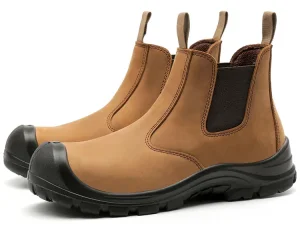
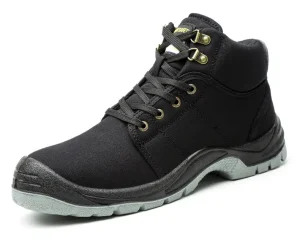
Explore top-grade protective equipment engineered for harsh mechanical environments, compliant with major international performance and impact certifications.
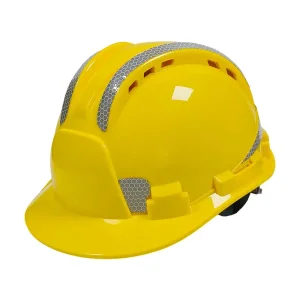
Head protection has transitioned from rudimentary passive gear to ergonomically optimized, multifunctional safety systems engineered for complex infrastructure risks.
Global construction and mega-engineering projects enforce compliance with ANSI/ISEA Z89.1 (Type I & II, Class E, G, C) in North America and EN 397 / EN 12492 across European markets. Modern engineers require dual-certified helmets that provide crown and lateral impact protection, electrical insulation, and integrated high-altitude chin strap retention.
The procurement landscape has shifted from basic polyethylene to reinforced Acrylonitrile Butadiene Styrene (ABS), Polycarbonate (PC), and blended composites. These materials resist structural deformation during severe impact, endure chemical splash exposure, and retain tensile resistance under prolonged UV radiation in open environments.
Contemporary engineers manage multiple hazards simultaneously. Leading safety helmet designs feature modular accessory slots that seamlessly anchor hearing protection ear muffs, retractable face shields, headlamps, and communication equipment without compromising shell integrity or balance.
Engineered hard hats must address divergent environmental threats across specialized regional industries and operational conditions.
Structural engineers require helmets with multi-point adjustable wheel-ratchet suspensions that provide a secure fit during elevated steel inspections. EN 12492 compliant four-point chin straps prevent helmet loss in the event of slips or violent wind gusts common at elevated heights.
Restricted-space engineering requires low-profile ABS shells designed to resist falling rock strikes and lateral crushing forces. Specialized helmet units integrate reinforced headlamp brackets, reflective micro-prismatic tape, and non-conductive cable routing clips for long underground shifts.
Explosion-prone areas demand non-vented Class E helmets engineered for dielectric insulation up to 20,000 volts, as well as antistatic additives that prevent electrostatic discharge. Chemical resistance prevents shell degradation from contact with hydrocarbons, oils, and caustic gases.
Tianjin ZhongQi Growth Technology integrates localized manufacturing clusters to provide scalable volume, uniform quality control, and rapid export fulfillment.
Operating within the Beichen industrial zone in Tianjin provides immediate access to virgin polymer feedstock, mold engineering workshops, technical hardware stamping, and custom pigment masterbatches. This consolidation reduces material transit delays and minimizes batch-to-batch variation.
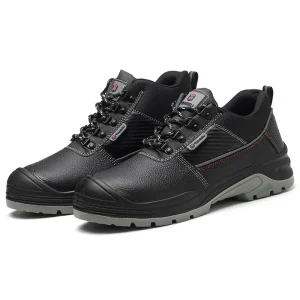
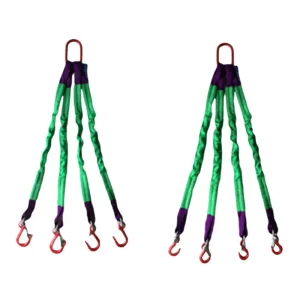
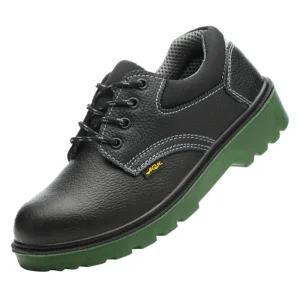
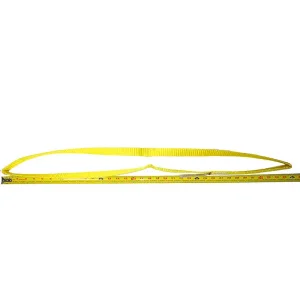
Close proximity to Tianjin Port—Northern China's largest maritime freight gateway—enables factory-to-quay container transfers within hours. This cuts domestic overland costs, shortens shipping windows, and allows consolidated mixed-container shipments combining helmets, webbing slings, and safety footwear.
Our facility operates computer-controlled precision injection molding presses alongside calibrated drop-tower impact testers, conditioning freezers (-30°C), and dielectric proofing rigs. Every production run undergoes verification for shell wall uniformity and shock absorption performance.
Head protection is evolving into an integrated sensor platform that enhances situational awareness and tracks worker safety in real time.
Traumatic brain injuries often stem from angled, oblique collisions rather than direct linear impacts. Our next-generation helmets integrate low-friction slip planes and multi-density expanded polypropylene (EPP) liners designed to redirect rotational energy during complex fall incidents.
We are embedding ultra-lightweight, intrinsically safe BLE sensors into safety helmets to monitor core temperature, pulse rate, ambient gas presence, and severe impact events. Automated SOS fall alerts transmit instantly to site command dashboards via mesh network gateways.
In support of global carbon neutrality mandates, our materials laboratory is developing bio-based polyamides and post-consumer recycled polymer matrices. These formulations provide identical impact absorption and flexural strength to petroleum-derived ABS while reducing raw material carbon footprints.
| Helmet Architecture | Material Core | Primary Standards | Optimal Deployment Arena |
|---|---|---|---|
| General Industrial Hard Hat | High-Density Polyethylene (HDPE) | EN 397, ANSI Z89.1 Type I Class C | Civil Construction, Warehousing, General Assembly |
| Heavy Engineering High-Impact | Reinforced ABS Composite | EN 397 Lateral, ANSI Type I Class E | High-Rise Infrastructure, Mining, Petrochemical |
| Height & Tower Climbing | Polycarbonate (PC) / EPP Foam | EN 12492, EN 397 (4-point chinstrap) | Wind Turbines, Tower Crane Rigs, Scaffolding |
| Dielectric High-Voltage | Unvented Virgin ABS Resin | ANSI Z89.1 Class E (20kV), EN 50365 | Substations, Utility Maintenance, Rail Electrification |
Procuring PPE across regional jurisdictions demands verifiable test certifications, accurate documentation, and comprehensive auditing transparency.
Every export consignment includes full documentation: third-party notified body certificates (CE mark, UKCA, ANSI lab test reports), lot-specific raw material test certificates (MTRs), and Certificates of Conformity (CoC). This comprehensive documentation package streamlines customs clearance and satisfies municipal safety audit requirements.
We support corporate OEM programs with pad printing for corporate logos, multi-color pad stamping, custom color matching via RAL/Pantone codes, micro-prismatic reflective decal integration, and bespoke retail box design. Our engineering team also helps configure specialized chin strap hardware and moisture-wicking brow pads for specific regional climates.
Direct answers to the most common questions raised by industrial buyers, structural safety managers, and equipment distributors.
Under standard working conditions, virgin ABS safety helmet shells provide a functional service life of 3 to 5 years from first deployment, provided they pass regular visual inspections. However, internal suspension harnesses and sweatbands should be replaced every 12 months due to perspiration degradation and friction wear. Any helmet subjected to severe impact or deep gouging must be decommissioned immediately, regardless of its age.
EN 397 governs industrial safety helmets, requiring a chin strap that releases under 150-250 N of force to prevent strangulation if caught in equipment. Conversely, EN 12492 governs mountaineering and working at heights, requiring a retention system that resists over 500 N to prevent the helmet from coming off during a fall. Our hybrid engineering helmets utilize an adjustable release buckle that allows workers to toggle retention resistance depending on the worksite elevation plan.
Yes. Our factory provides complete OEM/ODM production. We formulate exact polymer color matches using Pantone or RAL identifiers, and apply multi-color corporate branding via precision pad-printing or thermal transfer methods. We can also integrate micro-prismatic reflective chevron stickers and pre-pack helmets with custom instruction manuals and packaging.
Yes. One of our key supply chain advantages is flexible consolidation. We load Full Container Load (FCL) or Less than Container Load (LCL) shipments mixing safety helmets, EN 361 full-body harnesses, polyester lifting slings, and steel-toe work footwear from our Tianjin facility. This saves our buyers considerable ocean freight handling fees and consolidates customs processing under a single bill of lading.
Complete your site safety procurement with matched rigging equipment, fall protection harnesses, protective gloves, and safety footwear.