Explore high-performance protective gear and components engineered to pass rigorous North American and European occupational safety benchmarks.
In modern industrial head protection, the safety helmet headband is not merely an accessory; it is the vital biomechanical shock-absorption interface between falling kinetic mass and cranial structures.
Global multi-site industrial operators require universal fitting across ethnically diverse workforces. Procurement directors look for factories that fabricate precision smooth-wheel ratchet dial suspensions that offer continuous, single-handed micro-adjustments.
These units fit cranial circumferences from 52 cm to 64 cm while preventing loosening under aggressive multi-axis vibrations common in mining and heavy civil engineering.
Procuring complete helmet shells repeatedly incurs heavy shipping, storage, and material waste. Modern supply chains focus on sourcing modular replacement headband suspensions.
This allows industrial procurement teams to prolong outer helmet lifecycle windows, reduce capital outlays by up to 60%, and streamline spare-part inventory turnover.
Direct skin contact over 12-hour operational shifts necessitates dermatologically inert sweatband composites. B2B buyers audit factories for OEKO-TEX certified porous foam linings, flame-retardant treated polyester, and low-density polyethylene (LDPE) or polypropylene (PP) headband structural carriers.
These components preserve mechanical elasticity without succumbing to UV-degradation, saltwater corrosion, or chemical embrittlement.
Suspension frameworks must interface cleanly with the broader protective ecosystem, converting concentrated impact forces into distributed mechanical energy.
Standard hard hat architectures historically mitigated linear vertical acceleration. Leading headband factories now integrate multi-point webbing suspension geometries that disperse kinetic loads radially.
Controlled elongation woven textiles deform elastically to minimize rotational accelerations, reducing concussion and severe traumatic brain injury (TBI) metrics.
For smelting facilities, deep oil reserves, and utility lineman sectors, helmet headbands must preserve structural elasticity across thermal spans from -30°C to +50°C. Metal-free fabrication guarantees total dielectric isolation.
These designs comply with Class E dielectric ratings up to 20,000 volts, preventing arc flash conduction directly to cranial apex points.
Thermal fatigue remains a primary factor in non-compliance on civil engineering sites. Headband engineering combines perforated hydro-absorptive foams, breathable microporous open-cell matrices, and antimicrobial coatings.
This design pulls cutaneous perspiration away from the ocular area while optimizing internal airflow dynamics under shell cavities.
Automated manufacturing lines, IoT integration, and circular materials are changing helmet suspension manufacturing from manual assembly into advanced hardware engineering.
Integrating flexible printed sensor circuits (FPC) directly into the headband foam layer. These continuous telemetry nodes track core body temperature, heart rate variability, and exterior toxic gas leaks.
Data transmits to supervisor dashboards in real time via low-power BLE mesh networks, flagging worker heat exhaustion before syncope occurs.
Transitioning virgin injection polymers into post-consumer ocean-bound plastic resins and closed-loop chemically depolymerized polyamides.
Proprietary polymer matrix stabilisers protect these recycled formulations from tensile yield drop, ensuring full ANSI/ISEA Z89.1 impact compliance over prolonged ultraviolet exposure.
Replacing manual rivet fastening with automated pick-and-place robots and multi-point ultrasonic welding. This achieves consistent bond pull strengths above 250N.
In-line computer-vision systems inspect critical stress nodes on every unit, eliminating dimensional drift across multi-million piece OEM manufacturing runs.
A resilient international PPE supply chain requires comprehensive testing documentation, strict chain-of-custody verification, and agile customs clearance support.
Every certified headband assembly must meet strict regulatory thresholds:
ANSI/ISEA Z89.1-2014 (R2019): Type I and Type II top and lateral impact tests, low-temperature (-30°C) pre-conditioning, and Class E/G electrical safety.
EN 397:2012+A1:2012: Vertical shock absorption limits transmitted force below 5.0 kN, flame spread resistance, and chin strap release threshold testing between 150N and 250N.
Global distributors require continuous quality auditing across high-volume production. Factory-direct sourcing guarantees:
Full batch mill-test reports (MTR), automated drop-tower deceleration logging curves, raw polymer melt-flow index validation, and REACH SVHC chemical non-toxicity declarations.
Laser-etched batch numbering on internal carriers provides clear end-to-end traceability for liability defense files.
Headband components are lightweight but bulky. Our factory uses high-density nesting and vacuum-packed modular master cartons to optimize container cubing by up to 35%.
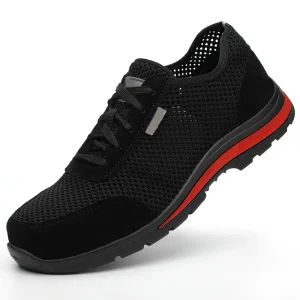
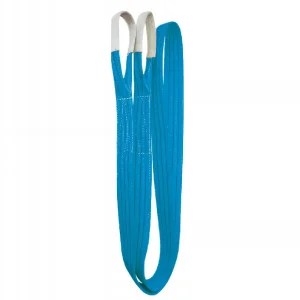
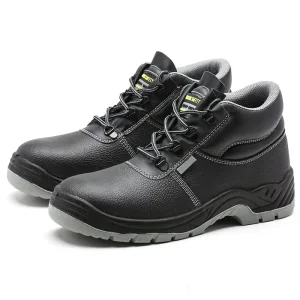
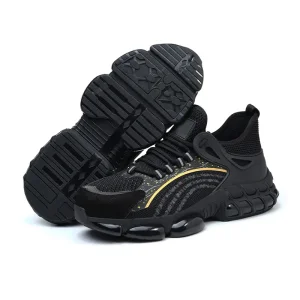
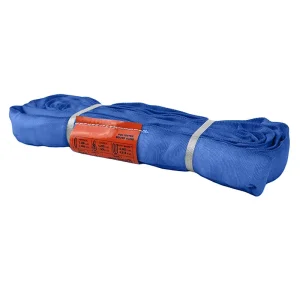
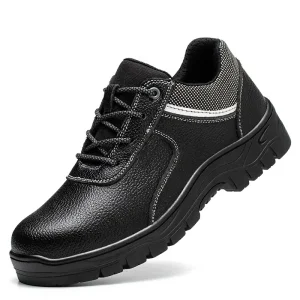
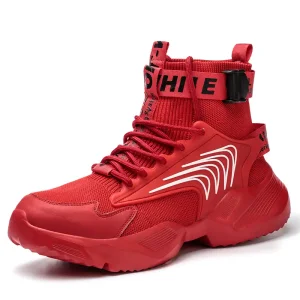
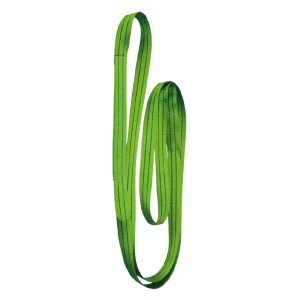
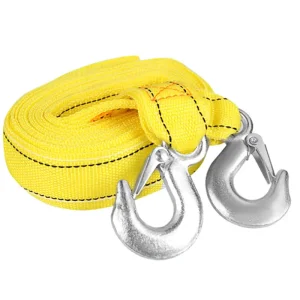
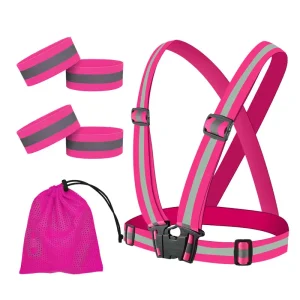
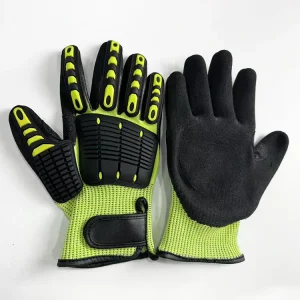
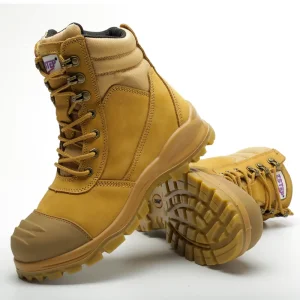
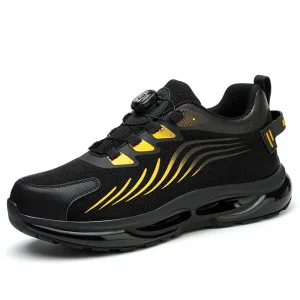
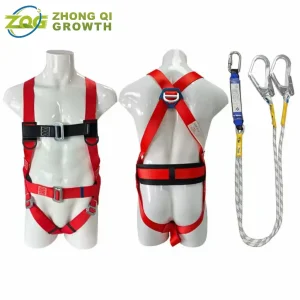
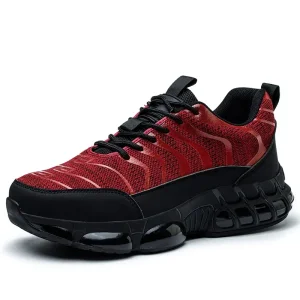
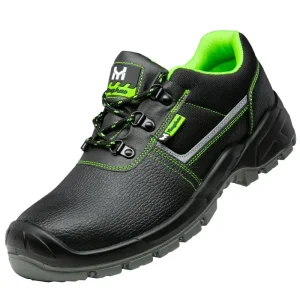
Located near major deep-water ports like Tianjin Port, our facilities allow swift maritime consolidation, rapid multimodal inland trucking, and single-container cross-category consolidation alongside webbing straps, harnesses, and protective footwear.
Core technical, manufacturing, and supply chain insights for enterprise PPE procurement leads.
Direct factory supply of certified fall arrest solutions, high-tenacity strapping lines, protective footwear, and industrial accessories.