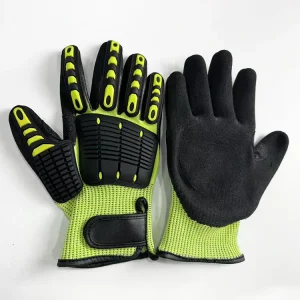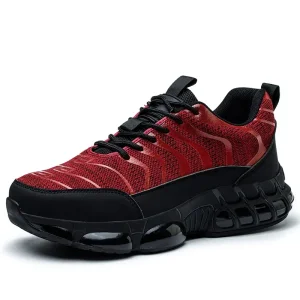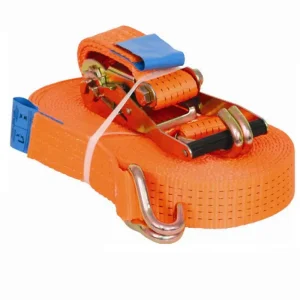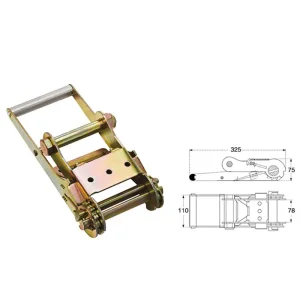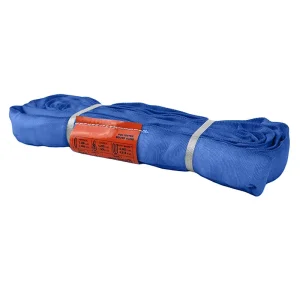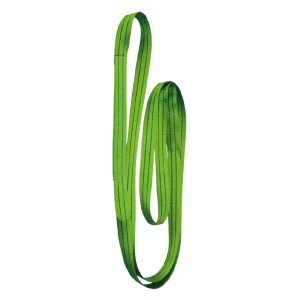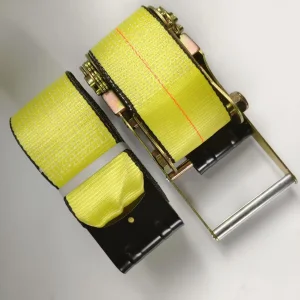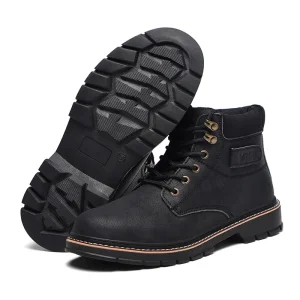
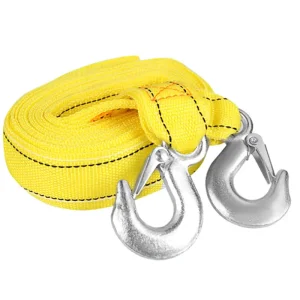
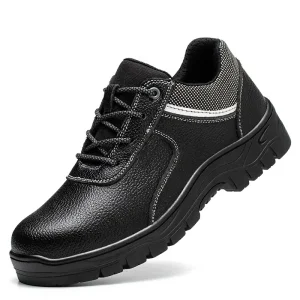
Explore heavy-duty towing assemblies, ANSI/CE-compliant protective footwear, and precision polyester webbings manufactured within our consolidated Tianjin production corridor.
In modern high-risk work environments, head protection has evolved from passive plastic shells to dynamic safety systems integrating advanced polymer chemistry, modular attachments, and color-coded hierarchy.
Historically, the phrase "cheap green safety helmet" was often conflated with brittle recycled plastics, poorly designed suspensions, and compromised structural integrity. Today, driven by rigorous regulatory frameworks such as EN 397:2012+A1:2012, ANSI/ISEA Z89.1-2014 (Type I, Class C & G), and AS/NZS 1801, the manufacturing paradigm has fundamentally shifted. Modern cheap or cost-efficient green safety helmets leverage economies of scale, high-throughput automated robotic injection molding, and masterbatch polymer blending to reduce per-unit costs while elevating mechanical protection.
In the contemporary industrial landscape, Green Safety Helmets hold a critical, non-negotiable semantic role. On major international infrastructure sites, petrochemical processing plants, and commercial build-outs, green helmets designate specific operational duties—most commonly assigned to safety inspectors, environmental health officers (EHS), newly inducted personnel, or specialized technical consultants. A clear, highly identifiable visual footprint ensures immediate incident coordination, risk management compliance, and reduced site communication overhead.
To deliver verifiable protection at highly competitive unit rates, our Tianjin manufacturing facility optimizes material allocation across Acrylonitrile Butadiene Styrene (ABS) and High-Density Polyethylene (HDPE). Understanding their mechanical nuances ensures corporate procurement teams source the precise helmet type for their climate, chemical exposure, and impact risk:
| Engineering Metric | Virgin ABS (Acrylonitrile Butadiene Styrene) | High-Density Polyethylene (HDPE) | Hybrid Composite Formulations |
|---|---|---|---|
| Primary Mechanical Characteristic | Extreme rigidity, lateral crush resistance, high scratch resilience | Pliant energy absorption, lightweight, superior low-temp flexibility | Optimized impact dispersal with balanced flexural modulus |
| Impact Dissipation Profile | Localized deformation with internal dispersion to the harness | Elastic deformation with higher displacement, dampening shock | Multi-tier dissipation minimizing cervical spine deceleration |
| Thermal Stability Operating Range | -20°C to +80°C (High UV and radiant heat resistance) | -30°C to +50°C (Resilient in freezing field conditions) | -40°C to +95°C (Specialized extreme industrial builds) |
| Typical Site Applications | Heavy construction, refineries, chemical handling, power plants | General warehousing, logistics, civil earthworks, utility service | Offshore drilling rigs, high-voltage substations, confined spaces |
| Factory Cost Index (Efficiency) | Moderate per-unit cost; outstanding 3-to-5 year durability | Lowest per-unit production cost; excellent rapid rotation ROI | Engineered OEM tier for specialized institutional tenders |
How multi-national contractors, mining syndicates, and supply chain managers integrate green safety helmets into localized field operations across four continents.
Compliant with ANSI Z89.1 Class C (Conductive) or Class G (General 2,200V protection). Used extensively by environmental engineers and field safety leads overseeing large-scale solar array installations, wind farm assemblies, and commercial infrastructure projects. Procurement demands high UV stabilizers to withstand intense sun degradation.
Governed by CE EN 397 regulations requiring strict -30°C low-temperature testing, molten metal splash resistance (MM), and 440V electrical insulation. Green helmets designate specialized EHS officers in manufacturing hubs across Germany, Poland, and Scandinavia, requiring ergonomic 6-point textile webbing suspensions.
In mining operations and deep marine port logistic hubs across Australia, Indonesia, and GCC nations, heat stress is a critical failure factor. Factories supply high-volume green helmets with integrated airflow ventilation slots, reflective high-visibility tape, and chin cups to secure positioning on high-angle scaffolding.
How vertical integration, precision mold toolmaking, and strategic port proximity in Tianjin deliver measurable commercial advantages for global B2B procurement partners.
High-tonnage automated electric injection presses operate with micro-tolerance hot runner molds, preventing flow lines, sink marks, or residual stress concentrations in the helmet crown.
Unlike assembly-only plants, our facility spins, weaves, and stitches our own 4-point and 6-point internal suspension cradles, driving down production overhead by up to 22%.
Every batch undergoes automated falling headform impact testing and high-voltage resistance validation before palletizing, guaranteeing full adherence to international audit protocols.
Located adjacent to Tianjin Container Port, our cargo reaches container berths within 2 hours. Buyers leverage multi-category container consolidation (helmets, straps, boots) without cross-province freight fees.
Essential technical clarifications regarding batch customization, international testing thresholds, and mixed-container shipping.
Cost optimization is achieved through automated multi-cavity injection tooling, on-site masterbatch compounding, and in-house suspension webbing weaving. By eliminating multi-tier component subcontracting and utilizing virgin high-efficiency polymers (ABS or HDPE), unit prices decrease while physical properties remain fully compliant with ANSI Z89.1 and EN 397 impact parameters.
Across global civil and industrial projects, helmet colors establish operational chain of command. Green helmets are designated for Safety Inspectors, Environmental Officers (EHS), Technical Compliance Leads, and in specific corporate frameworks, new worker probationary teams. This instantly identifies responsible authority during emergency response or site audits.
Yes. Our OEM/ODM capabilities include high-precision 4-color pad printing for client logos, laser marking of serial numbers/batch codes, customized reflective striping, and suspension selection (ratchet dial knob vs. pinlock closure; 4-point vs. 6-point nylon harness systems).
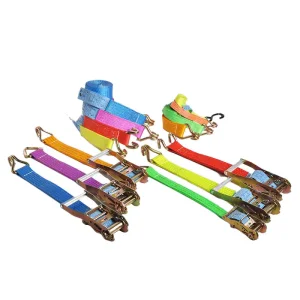
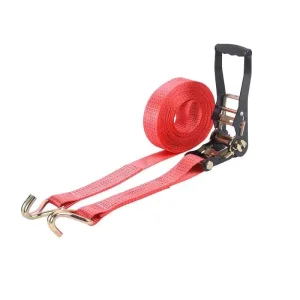
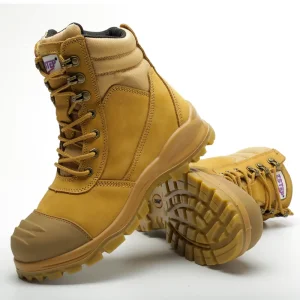
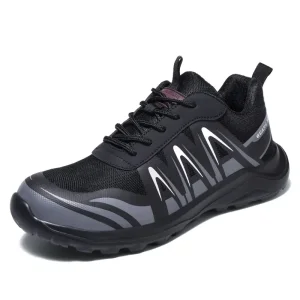
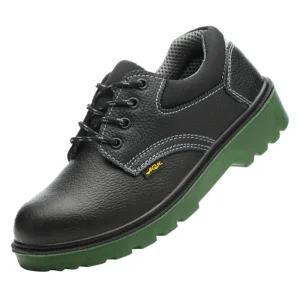
Absolutely. Because our Tianjin industrial footprint houses both PPE molding and webbing/cargo strap manufacturing, importers can combine full-body harnesses, polyester lifting slings, ratchet straps, safety shoes, and hard hats within a single 20GP or 40HQ container, radically cutting LCL shipping costs.
Complete your supply chain requirements with factory-direct EN/CE rated lifting assemblies, high-tensile lashing hardware, and abrasion-resistant work gloves.