Direct supply and OEM/ODM engineering capabilities for certified industrial protection, specialized cranial defense, and heavy transport equipment.
How extreme environmental stressors, decarbonization initiatives, and foundry safety standards drive the adoption of metallurgical cranial systems over conventional thermoplastics.
Heavy foundries, blast furnace floors, and smelting corridors expose personnel to radiative heat flux exceeding 15 kW/m². Traditional thermoplastic helmets (ABS, HDPE) soften, warp, and undergo progressive mechanical degradation at prolonged temperatures above 80°C. China Safety Helmet Aluminium White engineering utilizes aerospace-grade 6000-series aluminum alloy to retain complete structural rigidity up to 350°C continuous exposure, completely nullifying catastrophic crown failure from intense radiant environments.
The pristine matte white coating applied to high-purity aluminum combines reflective titanium dioxide (TiO₂) micro-pigmentation with specular metallic heat dissipation. This synergistic dual-layer barrier reflects up to 92% of infra-red (IR) spectrum radiation while conducting and dissipating sub-shell microclimate heat away from the wearer's cranium, measurably lowering heat fatigue and core body temperature drift during intensive smelting campaigns.
While polyolefin safety helmets mandate disposal every 24 to 36 months due to UV embrittlement and environmental stress cracking, cold-formed aluminum hard hats exhibit zero mechanical fatigue under natural weathering. When paired with modular, replaceable harness cradles, an aluminum safety shell delivers a field lifespan exceeding 10 years, drastically curtailing corporate landfill waste and lowering total cost of ownership (TCO) across enterprise supply chains by over 64%.
Detailed architectural analysis of cold-stamped aeronautical aluminum hard hats versus standard polymeric industrial headwear.
| Evaluation Parameter | Aluminium White Metallic Helmet (ZhongQi) | ABS Hard Hat (Engineering Grade) | High-Density Polyethylene (HDPE) |
|---|---|---|---|
| Base Shell Material | EN AW-6061-T6 Cold-Formed Aluminum Alloy | Acrylonitrile Butadiene Styrene Terpolymer | High-Density Polyethylene Resin |
| Continuous Thermal Limit | Up to 350°C (Shell intact past 600°C) | 85°C – 100°C Max Continuous | 70°C – 80°C Max Continuous |
| Molten Splash Resistance | Zero Adhesion / Complete Droplet Rebound (EN 397 MM) | Localized Melt-Through / Smoke Emission | Severe Melting / Rapid Substrate Burn-Through |
| Crown Impact Absorption (5kg/1m) | < 3.2 kN Transmitted (Integrated 6-Point Webbing) | 3.8 kN – 4.5 kN Transmitted | 4.2 kN – 4.8 kN Transmitted |
| UV Degradation Resistance | Impervious (Zero embrittlement over 10+ years) | Significant degradation after 24–36 months | Accelerated surface crazing after 18–24 months |
| Weight Profile (Shell Only) | 385g – 410g (Ultra-thin high-yield stamp) | 340g – 380g | 320g – 360g |
Engineered for critical tasks where catastrophic overhead impact meets relentless molten heat, toxic fumes, and rugged handling.
Operatives managing basic oxygen furnaces (BOF) and electric arc furnaces (EAF) encounter spontaneous slag foaming and slag splatter. An aluminium white helmet repels flying molten metal droplets instantly. The white coating prevents radiative absorption, keeping forehead skin temperatures comfortable and preventing ocular heat stress when managing tapping spouts.
Subterranean mining shafts expose hard hats to sharp, jagged basalt or granite roof falls. While plastics can suffer micro-fracturing or notch tearing, deep-drawn cold-worked aluminium shells deflect angular debris through superior shear resistance. The white finish maximizes low-light cap-lamp reflectance, reinforcing subterranean visual ergonomics.
Petrochemical turnaround crews operating near operating steam methane crackers or flare headers endure extreme radiant heat in ambient desert or tropical humid zones. The conductive aluminium shell rapidly equalizes external hotspots, functioning as an integrated convective heat sink that mitigates systemic heat strain under direct solar exposure.
Adjacent to marine drydocks and steel prefabrication berths, helmets are subjected to salt spray, abrasive blasts, and chemical washdowns. ZhongQi’s hard-anodized, powder-coated white aluminum exhibits zero salt-fog blistering (ASTM B117 > 1,000 hours), guaranteeing uncompromising structural integrity in offshore and littoral shipyards.
Tianjin ZhongQi Growth Technology Co., Ltd. coordinates end-to-end certification pathways, localized documentation, and freight-efficient port logistics.
Every batch of safety helmets is tested according to target market regulatory frameworks. We deliver complete Technical Construction Files (TCF) conforming to CE EN 397:2012+A1:2012 (including optional parameters: Molten Metal - MM, Very Low Temperature - -30°C, and Lateral Deformation - LD), ANSI/ISEA Z89.1-2014 Type I Class C, and Australian/NZS 1801 standards.
Situated in the Shuangjie Trusted Industrial Park, Beichen District, Tianjin, our production facility sits adjacent to Tianjin Port, North China's premier maritime export gateway. This proximity shortens inland transit, protects container staging windows, and enables mixed-container consolidation with fall protection harnesses, lifting slings, and safety footwear with zero secondary handling fees.
Our dedicated engineering department (accounting for 60% of our enterprise workforce) accommodates customized cranial dimensions, specialized visor mounting slots, customized laser engraving, 4-point to 6-point harness configurations, and personalized multilingual user manuals. Dedicated technical responses are delivered within 24 hours, guaranteed.
Advancing from passive physical deflection to active thermodynamic monitoring and lightweight composite matrixes.
Integrating trace scandium nanoparticles to refine grain boundaries, achieving a 15% reduction in shell wall thickness while elevating yield strength beyond 420 MPa for lightweight, fatigue-free wearing.
Incorporating micro-encapsulated Phase Change Materials (PCM) into the cranial crown suspension system to actively absorb excess metabolic head heat, stabilizing internal helmet microclimates at 24°C.
Embedding non-conductive ultra-wideband BLE beacons, multi-axis impact sensors, and continuous worker heat-strain indicators directly within the shock harness for real-time safety tracking.
Transitioning primary shell stamped blanks entirely to certified low-carbon green hydro-aluminum, decreasing embodied manufacturing carbon emissions by 78% across the production line.
Crucial guidance on metallic cranial protection, electrical safety clearances, batch testing, and global export shipping logistics.
Yes. By inherent material definition under EN 397 and ANSI/ISEA Z89.1, aluminum safety hard hats are classified as Class C (Conductive) helmets. They offer zero protection against electrical hazards and must strictly never be utilized in environments with contact risk with energized electrical conductors. They are explicitly designed for heavy metallurgy, casting, foundries, mining, oil/gas drilling, and general forestry where extreme heat and severe mechanical impact predominate.
Polymer shells (ABS, HDPE, Polycarbonate) melt, char, or ignite when struck by slag or liquid metal droplets at 1200°C–1400°C. An aluminium shell dissipates the droplet's thermal mass immediately; the droplet solidifies and sheds cleanly without piercing or burning through the shell, fully satisfying EN 397 molten metal splash (MM) requirements.
Unlike plastic helmets that must be discarded after 2 to 3 years due to ambient UV radiation degradation, aluminum shells do not suffer environmental polymer embrittlement. As long as the helmet shell exhibits no dents, severe abrasions, punctures, or chemical etching, the outer metal shell remains serviceable for up to 10 years. We recommend replacing internal fabric suspensions every 12 to 18 months depending on wear intensity.
We provide full-scope customization: precision deep-draw embossing or pad-printing of company logos, custom white coatings (gloss, matte, or micro-textured), ventilation slot configurations, custom accessory adapter slots (earmuff/welding screen mounts), and multi-point ratchet headbands engineered with moisture-wicking materials.
Yes. Operating from our integrated industrial facility in Beichen District, Tianjin, global buyers routinely combine safety helmets, CE EN 361 full-body harnesses, polyester lifting slings, ratchet tie-down straps, and safety footwear into unified 20GP or 40HQ export containers. This consolidates ocean shipping documentation, optimizes freight cubing, and reduces import customs clearance costs.
Standard customized white aluminium hard hat prototypes are completed within 5 to 7 business days. Full container orders (MOQ 1,000 units) are manufactured and packed for shipment dispatch from Tianjin Port within 25 to 30 calendar days upon final engineering artwork and specification sign-off.
Comprehensive manufacturing lines supporting global logistics, specialized underground mining, civil construction, and height safety.
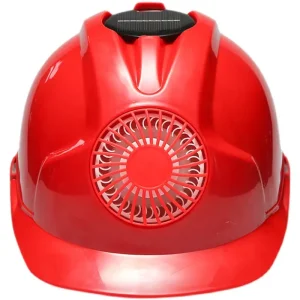
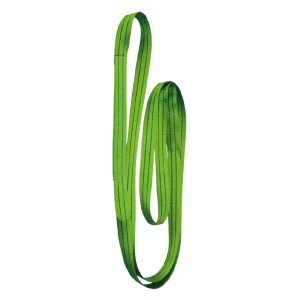
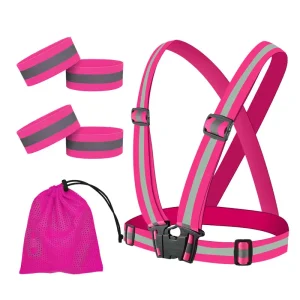
Custom Reflective Vest Reflective Vest Runner Safety Vest for Night Cycling Supplier, Suppliers
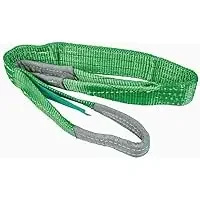
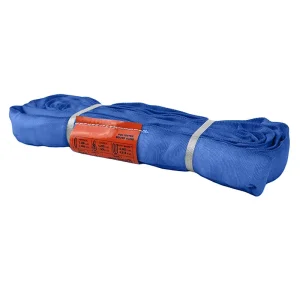
Custom Webbing Sling Polyester Lifting Flat (2T 4M) Supplier, Factory
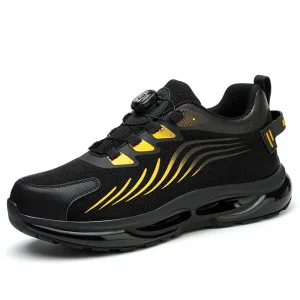
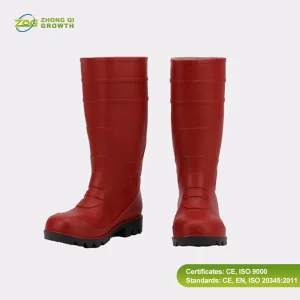
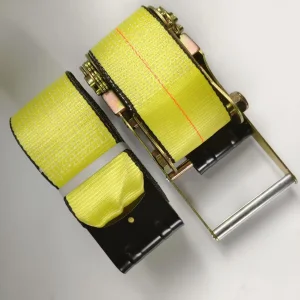
Buy US Standard 4-Inch Cargo Tie-Down Strap – Flat Hook Winch Strap Manufacturer, Factories
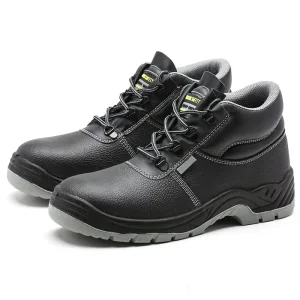
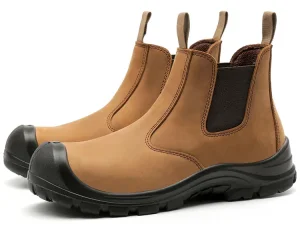
Cheap Cowhide High-Cut Low-Cut Anti-Puncture Anti-Slip Men's Safety Work Boots Suppliers, Factories