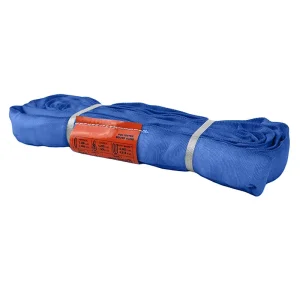
Enterprise-grade equipment precision-crafted at our Tianjin manufacturing hub, compliant with CE EN 397, ANSI Z89.1, and EN 361 protocols.
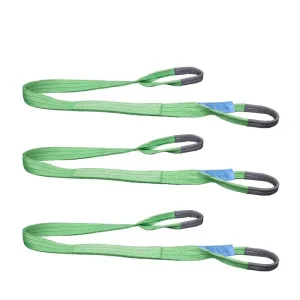
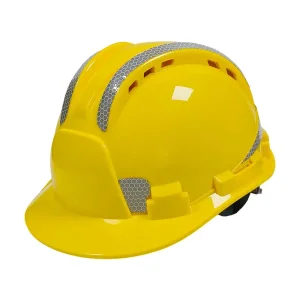
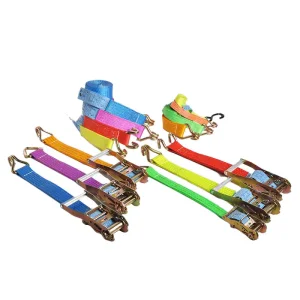
Transitioning from uncoupled clip-on fixtures to balanced, intrinsically safe, micro-optic head protection systems for harsh extraction, tunnel engineering, and dark infrastructure.
Traditional hard hats paired with aftermarket headlamps generate forward torque vectors, placing severe muscular load on cervical vertebrae C3–C7 over 10-hour shifts. Modern Chinese manufacturing integrates lithium-polymer cells into the rear cradle and low-profile SMD LED arrays into the frontal rim, achieving near-perfect 50:50 coronal balance.
Operating in ATEX Zone 0/1/2 or Class I Div 1 environments demands non-incendive optical systems. Tianjin ZhongQi incorporates potted encapsulation circuits, galvanic circuit decoupling, and hermetic thermal throttling to guarantee operational surface temperatures remain strictly beneath flammable gas autoignition points.
Engineered with thickened ABS and alloyed Polycarbonate polymer structures, shells resist top-down kinetic loads surpassing 5kN while sustaining structural integrity between -30°C and +50°C. Six-point terylene suspension harnesses rapidly diffuse residual vector shocks throughout the cranium.
How the Beichen Industrial Belt in Tianjin provides systemic speed, end-to-end resin control, and uncompromised freight efficiencies.
Unlike assembly-only contractors, our facilities host polymer granulate blending, injection molding presses from 350T to 1200T, automated surface pick-and-place (SMT) for PCB drivers, ultrasonic lens welding, and final tensile drop-testing without outside dependencies.
Located in Shuangjie Trusted Industrial Park, container freight reaches the Tianjin Xingang seaport within 90 minutes. This eliminates inland transit delays, hedges against domestic logistics gridlock, and facilitates agile LCL/FCL consolidation of heavy webbing and precision helmets.
Each production run undergoes algorithmic photometric distribution testing (CIE Standard Illuminant), drop-dart penetrative impact measurement under EN 397 conditions, dielectric harness breakdown verification, and accelerated climate aging.
Specific structural configurations matched directly to international regulatory frameworks and site vulnerabilities.
| Industrial Vertical | Primary Physical Hazards | Integrated LED & Helmet Specification | Target Regulatory Regimes |
|---|---|---|---|
| Subterranean Mining & Tunnels | Rockfalls, Methane Pockets, Absolute Dark | Cap-lamp slot with 300-lumen wide flood, intrinsic safety certification, 6-point chin retention. | CE EN 397:2012+A1, MSHA, IECEx |
| Wind Power & Telecom Towers | Drop-impact at height, high wind shearing | Low-profile streamlined visor, unvented dielectric shell, red secondary perimeter beacon. | EN 12492, ANSI Z89.1 Type II Class E |
| Offshore Oil & Chemical Refineries | Salt corrosion, corrosive vapors, slip impacts | Polycarbonate resin shell, chemical-sealed silicone gasket, IP68 battery chamber. | ATEX Directive 2014/34/EU, OSHA 1910.135 |
| Night Heavy Construction & Rigging | Crane blind spots, structural steel hazards | High-visibility ABS housing, 360-degree reflective perimeter band, dual spot/beam switchable optics. | EN 397 LD, 440V a.c., AS/NZS 1801 |
Our engineering matrix is expanding from basic illumination to comprehensive biometric and edge-computing sensor units.
Prototypes feature tri-axial accelerometers capable of detecting falls, impact severity, and motionless worker status. Integrated Sub-1GHz LoRa antennas transmit SOS pings across deep tunnels lacking standard cellular networks.
By leveraging ambient lux sensors, future helmet lines seamlessly switch between tight 15-degree long-throw beams when looking ahead and uniform 120-degree floodlights when reading inspection schematics, saving over 40% battery run-time.
Combining solar-assisted ultra-quiet blower units within shell fluting to lower inner hat microclimate temperatures by up to 7°C in tropical extraction operations without weakening lateral rigidity.
Ensuring compliance, documentation clarity, and seamless customs release across North American, European, and Asia-Pacific borders.
Every shipment is accompanied by batch-certified declarations of conformity, accredited third-party test reports (SGS, TÜV Rheinland), and harmonized multi-language instruction manuals mapped directly to European PPE Regulation (EU) 2016/425.
Air and sea transportation of integrated battery electronics require strict shipping protocols. ZhongQi guarantees full compliance with UN38.3 thermal, vibration, and altitude shock verifications, providing valid MSDS and sea-freight non-dangerous cargo declarations.
From CAD shell customization with molded company emblems to custom optical spectrum configurations (e.g., CRI 90+ for precision electrical technicians), our mold shop handles rapid tooling cycles within 25 days.
Direct answers from our engineering desk addressing material performance, certifications, and high-volume order mechanics.
Unissued helmets stored in climate-controlled warehouses retain mechanical readiness for up to 5 years from date of injection molding. Once deployed in field operations subjected to cyclic UV exposure, European and ANSI protocols recommend replacement at 2.5 to 3 years. The integrated LED module is rated for 50,000 operational hours with lithium cells retaining 80% charge capacity after 500 charge cycles.
Yes. We operate fully automated 4-color rotary pad printing machines and screen printing stations. Custom shell Pantone / RAL color matching is achieved via precise masterbatch injection blending. MOQ for customized polymer color matching starts at 500 units, while silk-screening or pad-printing of customer branding is feasible from 200 units.
ZhongQi deploys ISO 9001:2015 controlled production routings. Each batch is identified by an engraved internal date-clock stamp and serialized batch barcoding. Prior to export packing, 3 samples per 1,000 units are sacrificed under drop-hammer testing and climatic penetration fixtures to confirm continuous adherence to standard limits.
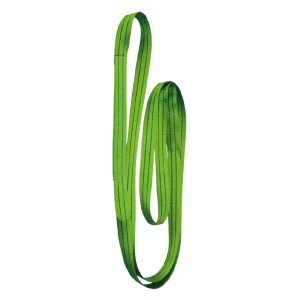
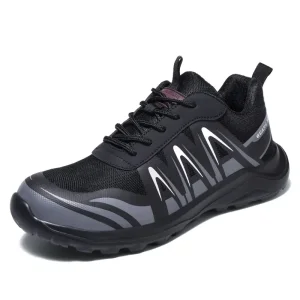
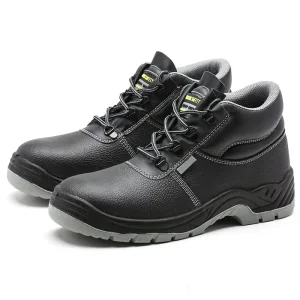
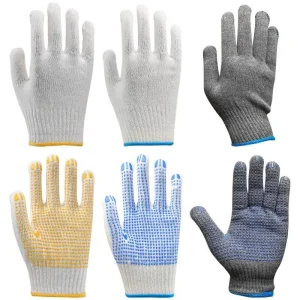
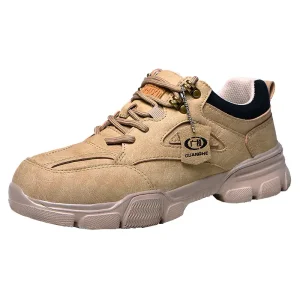
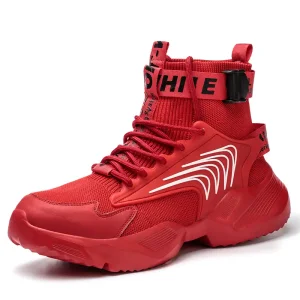
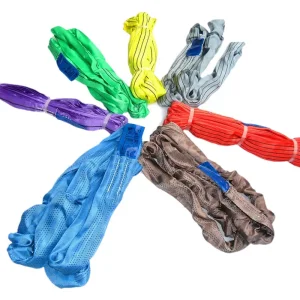
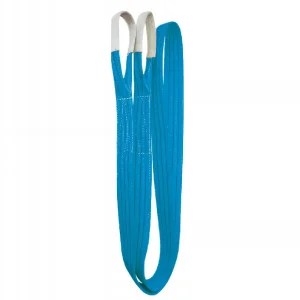
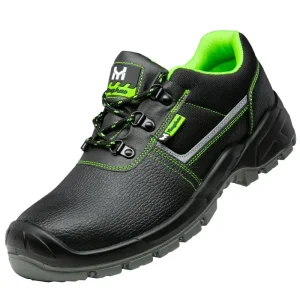
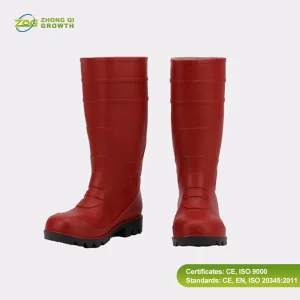
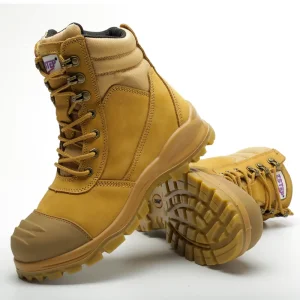
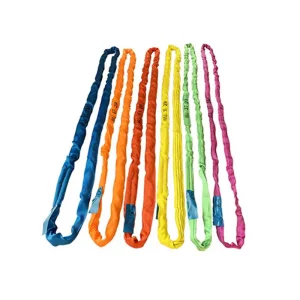
Yes, mixed container consolidation is our key competitive edge. By consolidating head protection, lifting webbing, tie-downs, and industrial safety footwear from our own industrial ecosystem into one container at our Tianjin warehouse, you minimize import customs clearance expenses and optimize container volumetric utilization.
Engineered for full operational synergy across construction, mining, transport, and manufacturing projects.