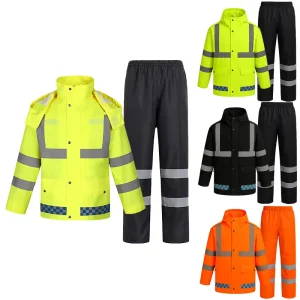
Engineered to withstand rigorous operational stresses, our core hardware, slings, and protective wear are fully traceable and certified for immediate deployment.
A comprehensive assessment of load deflection physics, high-impact polymers, and smart PPE innovations produced across Chinese precision manufacturing hubs.
The iconic trademark "V" crown ridge in industrial head protection is not merely an aesthetic identifier; it is a structural beam calculation. When vertical impacts occur from falling objects, the crown geometry redirects downward kinetic energy outward along the helmet's lateral axes.
China's Tier-1 industrial helmet facilities utilize virgin high-density polyethylene (HDPE) or Acrylonitrile Butadiene Styrene (ABS) formulations compounded with custom organosilicon and hindered amine light stabilizers (HALS).
The protective efficacy of a V-Guard shell depends completely on its internal harness assembly. Multi-point low-density polyethylene (LDPE) or woven textile webbing creates an internal deceleration perimeter between the outer shell and the cranium.
Different field environments generate unique workplace hazards. Our China manufacturing ecosystem adapts shell density, ventilation channels, and accessory mounts accordingly.
Urban vertical construction demands combined protection: overhead ballistic drops and unpredictable lateral shifts. V-Guard helmets are fitted with specialized elastic chin-straps with engineered release breakaways (between 150N and 250N according to EN 12492/EN 397) to eliminate strangulation risks during sudden slips.
Corrosive saline environments and volatile organic vapors require shells with high electrostatic dissipation and exceptional chemical resistance. We utilize anti-static ABS compounds that prevent spark generation in ATEX Zone 0/1 environments, combined with chemical-resistant face shield mounts.
High-voltage line workers require non-vented, monolithic HDPE or polycarbonate shells. Devoid of metallic components, these helmets exceed ANSI Class E dielectric requirements, protecting lineworkers against accidental contact with energized phase lines and catastrophic arc flash thermal radiation.
Leveraging Tianjin, Zhejiang, and Guangdong manufacturing belts to provide rapid tooling turnaround, material consistency, and agile production bandwidth.
Equipped with closed-loop Haitian high-tonnage servo-hydraulic machines guaranteeing zero sink-marks, precise wall consistency, and stress-free polymer crystalline alignments.
Every lot undergoes drop-weight guided impact towers, high-velocity hemispherical penetrator tests, hot/cold environmental conditioning, and dielectric breakdown evaluation.
From raw resin pellets and webbing straps to steel molds and customized retail packaging, our local supply clusters keep lead times tight and costs under direct control.
Located near major deep-water ports like Tianjin, allowing global distributors to consolidate full container loads (FCL) of helmets, safety footwear, harnesses, and cargo control straps.
How IoT sensing, rotational kinematics mitigation, and bio-circular plastics are reshaping the next generation of safety helmet manufacturing.
Integrating non-intrusive MEMS accelerometers to detect impact events and sudden falls in lone-worker settings. Integrated NFC and RFID chips provide real-time equipment inspection logs, operator certifications, and emergency medical profiles directly via mobile scanning.
Addressing corporate ESG criteria by formulating safety helmets from certified bio-attributed polyolefins and post-consumer recycled ocean plastics. Our advanced chemical compounding achieves virgin-grade impact thresholds while reducing greenhouse gas emissions per shell by up to 45%.
Standard testing evaluates direct perpendicular force vectors, yet real workplace drops cause tangential, rotational trauma. Next-generation suspension designs incorporate internal sliding shear layers that rotate 10-15mm during angled strikes to cushion rotational acceleration to the brain.
Ensuring your imported shipments pass port authorities and technical work-safety inspections worldwide.
The European benchmark for industrial protective helmets. Mandates vertical shock absorption (5kg striker drop), resistance to penetration, flame exposure resistance, and clear marking of optional ratings including -30°C cold performance, 440V a.c. electrical insulation, and lateral deformation (LD).
The standard across North and South American markets. Classifies helmets by Type (Type I for top impact, Type II for top and lateral impact) and Electrical Class (Class G General 2,200V, Class E Electrical 20,000V, and Class C Conductive no voltage protection).
Covers Asian and Australasian mining, refining, and industrial jurisdictions. Sets strict criteria for head-form acceleration, chin-strap anchorage displacement, and accelerated salt-spray aging on internal suspension brackets.
Clear, direct technical answers to streamline your direct factory sourcing experience.
Shell service life depends heavily on UV exposure, chemical presence, and mechanical friction. Standard industrial guidelines suggest replacing HDPE or ABS shells after 3 to 5 years of daily field use, or immediately following any significant impact event. Suspension harnesses should be replaced every 12 months due to perspiration and friction wear.
Yes. We support custom Pantone-matched shell colors with minimum order quantities (typically 1,000 units). Logos can be applied via multi-color pad printing, silkscreening, or durable in-mold heat transfer decals. Custom embossed tooling for company insignias directly inside the front shell lip is also available.
Vented helmets provide superior air cooling in hot and humid operational climates. However, under both EN 397 and ANSI Z89.1 standards, any through-holes or ventilation slots automatically void Class E electrical insulation ratings. Facilities operating around electrical hazards must specify non-vented, solid-crown shells.
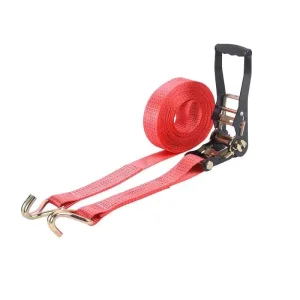
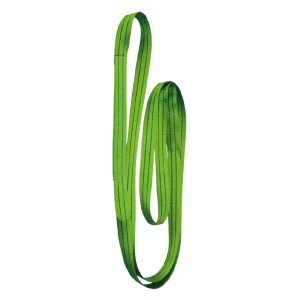
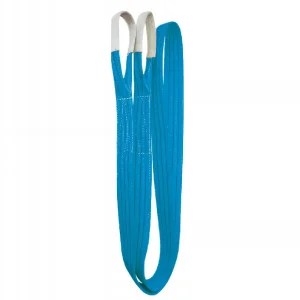
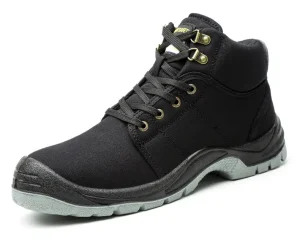
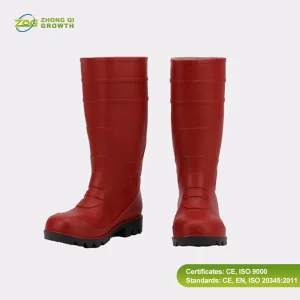
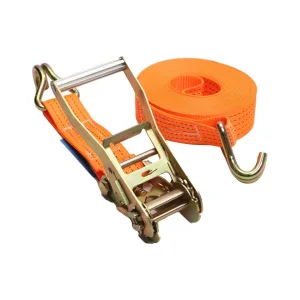
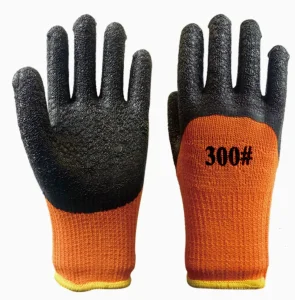
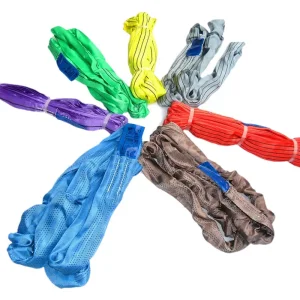
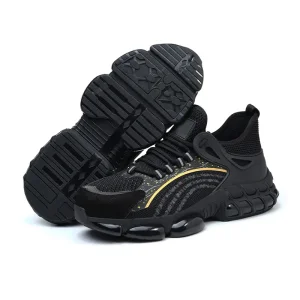
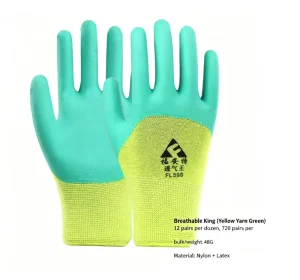
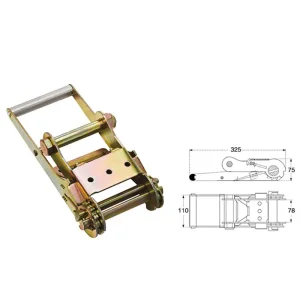
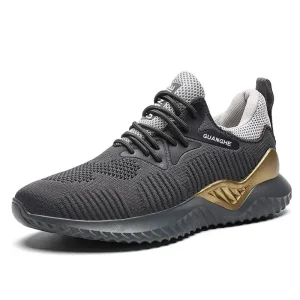
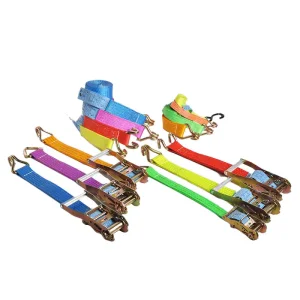
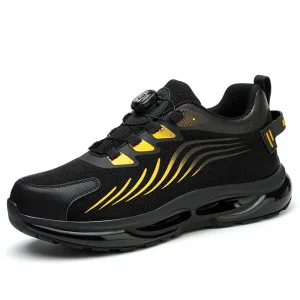
Beyond our safety helmets, Tianjin ZhongQi Growth Technology produces full body harnesses, synthetic lifting slings, ratchet lashing straps, safety footwear, and gloves. Consolidating your complete personal protective equipment catalog into a single sea container minimizes customs clearing friction, cuts inland drayage, and reduces overall shipping overhead.
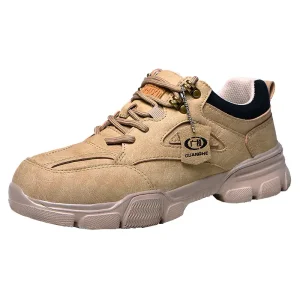
Complete your container shipment with heavy-duty work shoes, industrial gloves, and premium cargo securement components built to international performance standards.