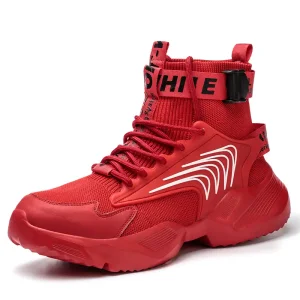
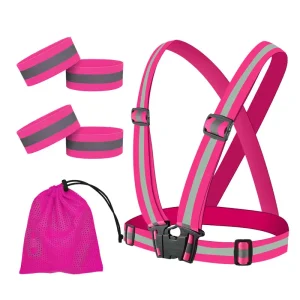
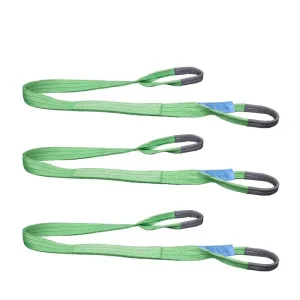
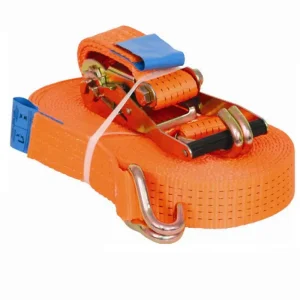
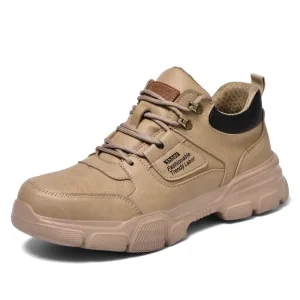
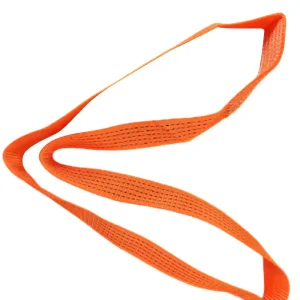
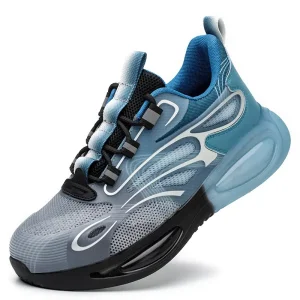
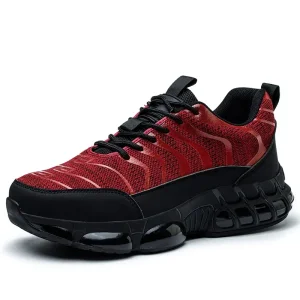
OEM batch production with certified tensile strength, low elongation ratings, and comprehensive impact resistance.
Accelerated enforcement of OSHA Title 29 CFR 1926.100, EN 397:2012+A1, and ANSI/ISEA Z89.1-2014 (R2019) is driving a multi-billion dollar transition toward advanced Type II and rotational impact protection systems.
Traditional construction sectors historically relied on standard Type I hard hats designed solely to deflect vertical falling debris. Today, tier-one global EPC contractors mandate Type II industrial helmets that absorb omnidirectional, lateral, crown, and off-axis mechanical shocks.
Procurement teams navigating cross-border supply chains face intricate compliance hurdles between ANSI/ISEA Z89.1 (North America), CE EN 397 / EN 12492 (European Union & UKCA), and AS/NZS 1801 (Oceania). Harmonized dual-certified shell architectures eliminate duplicate SKU overhead.
Global infrastructure expansion into polar mines, offshore rigs, and arid desert megaprojects requires enhanced polymer stability. Advanced formulations incorporate high-yield UV stabilizers (UV531/HALS) and specialized impact modifiers to survive extreme operational spectrums.
From raw virgin pellet polymer synthesis to final multi-cavity injection and automated drop-tower testing, our facility leverages the northern Chinese industrial belt to deliver unmatched production economics.
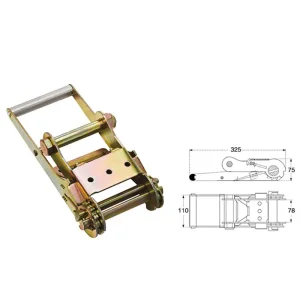
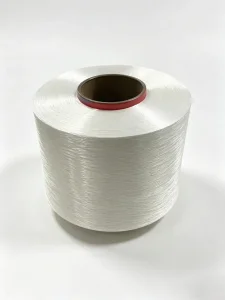
Unlike fragmented assemblers, our Tianjin operations manufacture both the high-pressure injection molded shell and the internal suspension harness in-house. Utilizing AA-grade 210D polyester spinning lines, we produce the suspension cradle webbing, ratchet straps, and chin straps on dedicated high-speed shuttleless looms.
Equipped with 450T to 850T robotic injection units and high-precision CNC mold centers, our factory achieves cycle times of 42 seconds per shell. OEM clients benefit from rapid prototyping loops: 3D CAD modeling, 72-hour functional SLA stereolithography, and production-grade P20 steel mold tooling within 28 business days.
Situated in the Shuangjie Trusted Industrial Park in Tianjin, our facility enjoys direct arterial access to Tianjin Port—one of the largest container ports in northern China. This strategic proximity reduces inland drayage lead time to under 4 hours, cuts logistics freight overhead, and ensures expedited vessel departure schedules.
Selecting the appropriate polymer blend dictates mechanical performance under dynamic shock, thermal stress, chemical exposure, and arc flash events.
| Polymer Substrate | Yield Tensile Strength | Impact Ductility (-30°C) | Dielectric Breakdown | Primary Industrial Use-Case |
|---|---|---|---|---|
| High-Impact ABS (Acrylonitrile Butadiene Styrene) | 42 - 50 MPa | Superior (Maintains Charpy >12 kJ/m²) | 16 - 22 kV/mm (Class G / E Available) | Commercial Construction, Heavy Infrastructure, Climbing Style Type II Helmets |
| High-Density Polyethylene (HDPE) | 28 - 35 MPa | Moderate (Elastic at Ambient) | Class E Dielectric (Up to 20,000V) | General Warehousing, Utility Contracting, High-Volume Municipal Projects |
| Polycarbonate (PC) & PC/PBT Blends | 60 - 75 MPa | Exceptional Energy Absorption | Standard Class C / G | Extreme High-Heat Environments, Steel Foundries, Road Resurfacing, Flash Fire Risks |
| Carbon Fiber Composite Reenforced | > 350 MPa | Brittle Failure / Zero Plastic Yield | Conductive (Class C Only - Not Electrical) | Supervisory Personnel, Executive Site Audits, Premium Lightweight Climbing |
Our 6-point suspension cradles utilize high-tenacity virgin nylon and AA-grade polyester webbed straps. The geometry geometrically redistributes concentrated top impact energy across the skull's maximum surface area, reducing transmitted cervical loads to far below the statutory 5.0 kN threshold.
Featuring an over-molded rubberized wheel ratchet mechanism, our suspension systems allow one-handed micro-adjustments ranging from 53 cm to 64 cm head circumferences. Engineered with internal dual-pawl locking teeth, the ratchet will not back out or loosen under high vibratory stress or heavy winds.
Compliant with the dual demands of EN 397 (releasing between 150 N and 250 N to prevent strangulation hazard near rotating machinery) or EN 12492 (retaining over 500 N to keep the helmet in place during complex secondary falls), our multi-mode chin buckles allow custom threshold calibration.
Different working conditions require precise protective profiles. We tailor shell wall thickness, vent sliding covers, and universal 30mm side accessory slots to specific industry domains.
Modern urban high-rise construction exposes workers to sudden structural winds and complex fall factors. Short-brim, climbing-style ABS helmets provide unrestricted upward visibility for tower crane signaling, facade installation, and scaffolding staging while preventing brim catch hazards.
Linemen and high-voltage substation technicians require non-vented shell designs providing reliable dielectric insulation against unexpected arc flashes or phase conductor brush. These shells undergo high-voltage proof testing (20,000V AC for 3 minutes) with zero leakage current breakdown.
Working under high solar radiation loads requires active thermal regulation. Our vented models feature optimized aerodynamic flow channels and internal sliding louvers that lower crown temperatures by up to 4.2°C while blocking horizontal slag or abrasive dust intrusion.
Industrial head protection is shifting from passive structural defense to active, sensor-augmented safety ecosystems that feed into corporate ESG and automated EHS platforms.
Modern safety helmets can now integrate tri-axial accelerometers and BLE (Bluetooth Low Energy) transmitters directly into the EPS foam liner. When an acceleration spike exceeds 80G or a sudden worker fall is detected, an automated SOS beacon broadcasts GPS/UWB coordinates to the site control room.
Corporate sustainability mandates demand carbon footprint reductions across disposable PPE categories. Our engineering lab is actively rolling out bio-circular polymers derived from non-fossil bio-naphtha feedstocks, cutting cradle-to-gate carbon emissions by 40% while matching virgin ABS impact performance.
Contractors reject third-party clip solutions that compromise structural shell integrity. Our designs feature built-in acoustic ear-defenders, drop-down clear/tinted safety visors, and integrated headlamp mounting clips that snap flush into the helmet geometry without screws or structural drilling.
Key strategies used by global buyers to safeguard margins, ensure audit compliance, and streamline import logistics.
Corporate tier-one contracts demand strict job-site hierarchy identification through standardized helmet color coding (e.g., White for Engineers, Yellow for General Labor, Blue for Electricians, Green for Safety Inspectors). We provide exact Pantone matching with high-resolution UV pad printing up to 4 colors.
All production batches undergo rigorous in-house lab validation. We perform drop-tower impact tests with multi-directional hemispherical strikers, lateral deformation bench checks (LD testing), and electrical proof testing, supplying complete mill certificates and third-party notified body reports with every BOL.
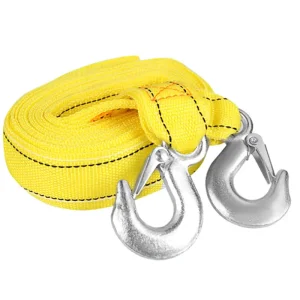
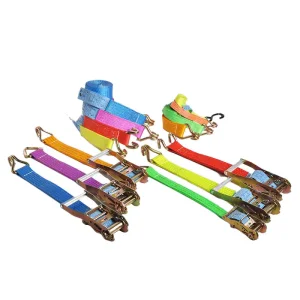
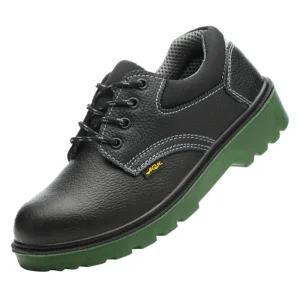
Maximized container utilization directly lowers landed unit costs. Thanks to our broad product lines across safety harnesses, fall arrestors, rigging webbing, safety shoes, and hard hats, international buyers can mix full containers (FCL) to optimize freight efficiency without excess inventory risk.
Get direct access to our 3D CAD files, resin chemical resistance charts, certified CE/ANSI test documents, and private-label OEM terms for your next sourcing tender.
Clear answers to common questions about testing requirements, regulatory compliance, custom molds, and private-label turnaround times.
Under normal working conditions and standard UV exposure, high-impact ABS and HDPE shells maintain their certified energy absorption properties for up to 5 years from first deployment, or up to 10 years from the molded date code dial when stored in original UV-shielded packaging. The inner suspension cradle and sweatband experience higher organic wear and should typically be replaced every 12 to 24 months depending on shift intensity and sweat exposure.
The difference lies in impact directionality. Type I helmets are evaluated exclusively for crown (top-of-head) impact, testing force transmission from vertical falling objects. Type II helmets include an internal energy-absorbing foam liner (usually EPS or EPP) and undergo drop testing across the crown, sides, front, and rear off-axis zones. Type II designs also undergo specialized off-center penetration testing with a pointed steel striker.
Yes. We offer complete custom OEM branding options. Custom shell colors are produced by compounding high-pigment virgin masterbatches to match any corporate Pantone (PMS) or RAL standard. Logos can be applied across the front, sides, or rear crown using multi-color automated pad printing (up to 4 spot colors), silkscreening, or ultra-durable heat-transfer decals that resist chemical cleansers and prolonged UV weathering.
In accordance with ANSI/ISEA Z89.1 Section 8.9 and EN 50365, Class E shells are fully inverted and submerged in water baths with conductive electrodes. The sample undergoes an electrical proof test of 20,000 Volts AC RMS at 50/60 Hz for a full 3-minute dwell. The current leakage through the polymer wall must not exceed 9.0 mA, followed by an accelerated breakdown voltage stress test to ensure structural dielectric integrity.
For standard inventory shell designs with custom logo pad printing, our standard MOQ is 500 units per color run. For completely bespoke outer shell geometries requiring dedicated P20 steel multi-cavity injection molds, the tooling lead time is approximately 25 to 30 days, followed by an initial mass production turnaround of 15 to 20 days. Standard container-scale repeat orders ship in 12 to 15 business days.
We partner directly with leading accredited international testing bodies, including INSPEC, BSI, TÜV Rheinland, and SGS. When developing private-label product lines, our technical team prepares complete Technical Documentation Files (TDF), executes pre-compliance impact audits in our Tianjin lab, and coordinates official Notified Body Type Examination audits to issue CE/UKCA certificates in your brand's name.
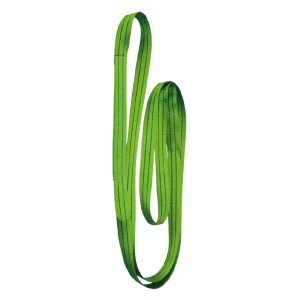
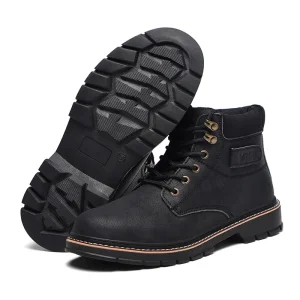
Streamline your shipping containers by combining protective footwear, visibility apparel, and certified heavy-duty polyester lifting belts in a single freight shipment.