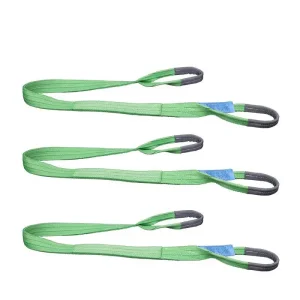
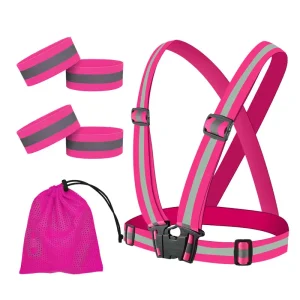
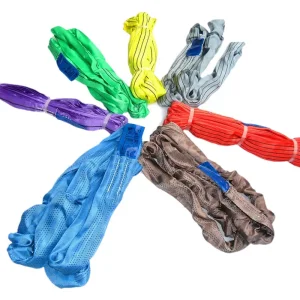
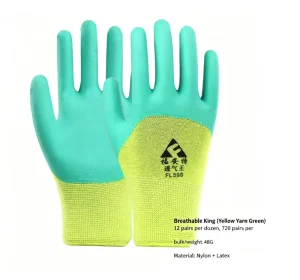
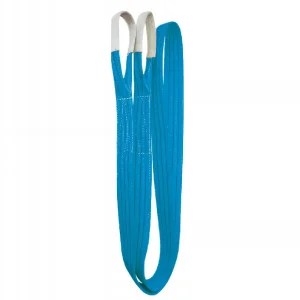
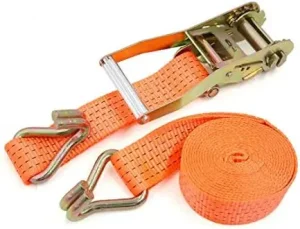
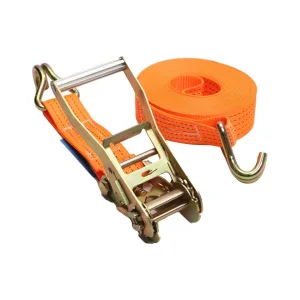
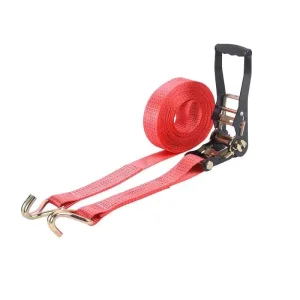
Fully compliant with CE, EN 1492, and ISO industrial safety parameters. Sourced directly from our Tianjin manufacturing complex adjacent to Tianjin Port.
As the international mining sector transitions from surface extraction to deeper underground geological exploration, high-performance personal protective equipment (PPE) has evolved beyond basic static deflection to multi-hazard impact mitigation.
Modern sub-surface mining operations in Australia, South Africa, and North America enforce rigorous impact thresholds against high-velocity falling strata, lateral rockbursts, and seismic rebound. Traditional general-purpose construction helmets fail under concentrated crown energy transfers exceeding 5 kN. Custom mining helmets are engineered using reinforced polymers that redistribute kinetic shocks omnidirectionally across high-density EPS liners and 6-point harness systems.
From the arid, high-temperature copper open-pits of the Atacama Desert to deep sub-sea coal seams characterized by saturated humidity and methane presence, shell materials must maintain chemical and ductile integrity. Specially formulated ABS, polycarbonate (PC), and high-density polyethylene (HDPE) resins resist ultraviolet photolysis, embrittlement at -40°C, and structural softening up to +150°C, ensuring continuous head and cervical protection.
Safety compliance is no longer localized. Tier-1 extraction conglomerates mandate cross-harmonized PPE protocols meeting simultaneously European CE EN 397 (for shock absorption, penetration, and flame resistance), EN 50365 (for electrical insulation up to 1000 V A.C.), and ANSI/ISEA Z89.1 Class E/G parameters. OEM production requires comprehensive batch traceabilities, internal drop-tower validation tests, and accredited third-party documentation.
Addressing structural vulnerability through automated polymer composition, smart micro-telemetry, and biomechanical integration.
Integration of high-crystallinity polymers combined with ribbed crown geometry designed using finite element analysis (FEA). Ensures deflection of free-falling rocks and structural fragments, channeling kinetic vectors away from the central cranium toward peripheral suspension nodes.
Embedding optical photoplethysmography (PPG) and temperature sensors inside sweatbands to monitor miner heat stress, heart rate anomalies, and acute exhaustion in real-time. Automated gas detection modules (CO, CH4, H2S) integrated into helmet brackets alert wearers via haptic and acoustic pulses.
Connecting headwear clusters into mesh-radio base stations across underground galleries. Automated "Man-Down" accelerometers trigger instant central command emergency protocols upon detecting sudden drops, blunt impacts exceeding safety limits, or sustained immobility.
Selecting shell composites and suspension hardware customized to local mining conditions, seismic risks, and electrical environments.
| Shell Material Base | Primary Extraction Use Case | Impact Dissipation Rating | Dielectric Strength | Operating Temp Range |
|---|---|---|---|---|
| Virgin Polycarbonate (PC) | Deep Underground Coal & Gold Mines | EN 397 Lateral Deformation (LD) + High Drop Energy | Class G (2,200 Volts) | -40°C to +150°C |
| High-Impact ABS (Thickened) | Surface Open-Pit, Quarries & Processing Mills | ANSI Z89.1 Type I Crown Penetration Resistance | Class E (20,000 Volts) | -20°C to +80°C |
| High-Density Polyethylene (HDPE) | Bulk Mineral Transportation, Stockyards & Tailings | Standard Top-Impact Deflection | Class E Electrical Insulation | -30°C to +70°C |
| Fiberglass Reinforced Polymer (FRP) | Smelters, High-Heat Foundry & Volcanic Deposits | High Radiant Heat & Molten Splash Shielding | Class C (Conductive / No Protection) | Up to +260°C Flash Limit |
Requires low-profile helmets fitted with secure integrated lamp brackets, battery cable organizers, and hearing protection ear muffs. The absence of a protruding rear peak prevents snagging in low-clearance seam passages.
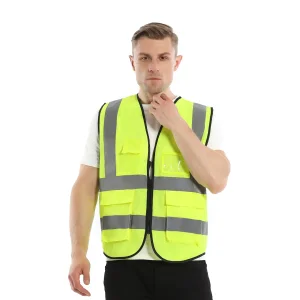
Focuses on full-brim sunlight deflection, high-visibility fluorescence (hi-vis yellow/orange), micro-prismatic retroreflective tape conforming to ISO 20471, and built-in UV indicators that signal polymer breakdown from sun exposure.
Mounts 4-point chin straps with breaking strengths engineered between 250 N and 500 N (EN 12492 / EN 397 hybrid) to avoid loss during rescue drops or rope-access maintenance while minimizing choking hazards.
Streamlining global procurement logistics by combining head, fall, lifting, and protective wear into unified container shipments.
Operating dedicated injection molding tooling bays capable of rapid prototyping (under 15 days). We engineer mold cavities tailored for lamp brackets, slot adapters for ear muffs and face visors, corporate logos, and dual-color co-injection for aesthetic or functional density requirements.
Every batch undergo mechanical drop testing from 2 meters, dynamic hot-and-cold conditioning (-30°C to +50°C), penetration pointer drop checks, and dielectric withstand screening. Quality assurance logs and material certs accompany every Bill of Lading.
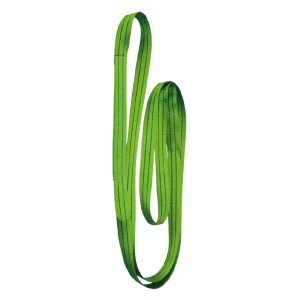
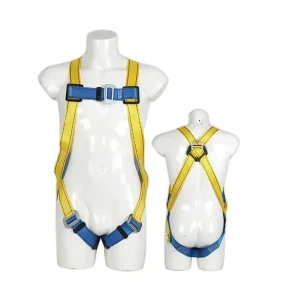
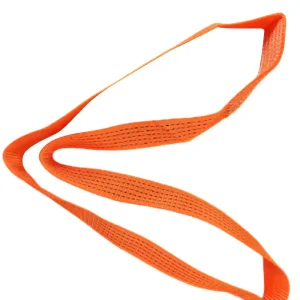
Tianjin ZhongQi Growth Technology integrates safety harnesses (CE EN 361), heavy-duty polyester lifting slings (EN 1492-1), ratchet cargo lashing straps (EN 12195-2), and mining helmets into single FCL shipping units, reducing landed logistics costs.
Key considerations when purchasing, customizing, and standardizing mine-site headwear.
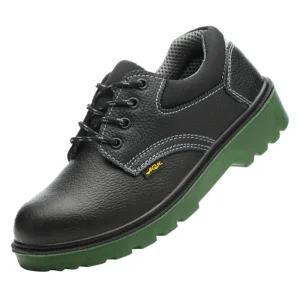
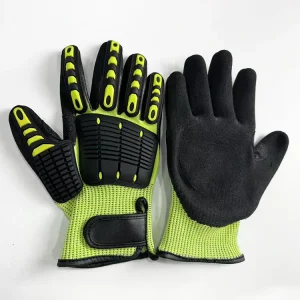
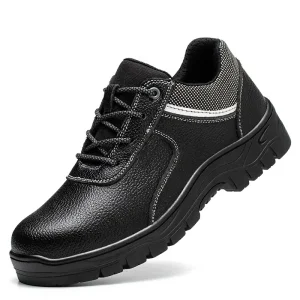
Export-grade PPE and lifting assets fabricated in our Tianjin facility for mine-site, petrochemical, and construction applications worldwide.