Direct-from-factory PPE engineered with certified impact absorption, electrostatic dissipation, and severe-duty ergonomic durability.
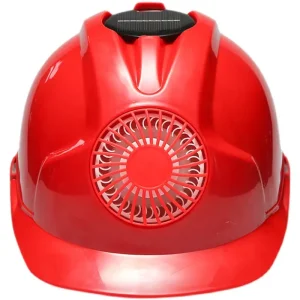
The global oil and gas extraction, refining, and petrochemical distribution sectors represent the most hostile operational theaters for industrial head protection equipment.
Offshore drillships, jack-up rigs, and semi-submersibles in the North Sea, Gulf of Mexico, and Persian Gulf present high-velocity projectile risks, heavy pipe-handling hazards, and relentless marine salt fog corrosion.
Petrochemical refining infrastructure operates in environments saturated with hydrogen sulfide (H2S), aromatic hydrocarbons, corrosive acid vapors, and elevated thermal radiant heat.
Bulk hydrocarbon terminals, liquefied natural gas (LNG) cryogenic plants, and overland pipeline installation require specialized balance, zero-sparking intrinsic materials, and high-visibility profiles.
A safety helmet in the oil industry is not a static piece of plastic; it is a thermal-kinetic energy dispersion matrix designed to protect cerebral tissue from dynamic impacts, electrical flashovers, and chemical permeation.
| Material Matrix | Impact Dissipation | Dielectric Class | ATEX Zone Suitability | Thermal Deflection Limit | Primary Sector Application |
|---|---|---|---|---|---|
| Modified ABS Composite | < 3.0 kN Residual (EN 397) | Class E (20,000 V) | Zone 1 & 2 | 110°C (ISO 75) | Downstream Refining & Petrochemical Distillation |
| High-Density PE (HDPE) | < 3.8 kN Residual (ANSI Type I) | Class G (2,200 V) | Zone 2 | 95°C (ISO 75) | General Upstream Exploration & Pipeline Maintenance |
| Polycarbonate (PC) Alloy | < 2.2 kN Residual (High Velocity) | Class C (Conductive / Vented) | Zone 0, 1, 2 | 145°C (ISO 75) | Offshore Derrick Towers, Deepwater Subsea Operations |
| Carbon Fiber Hybrid Matrix | < 1.8 kN (Severe Multi-Impact) | Class C (Special Carbon) | Explosion Proof | 220°C Continuous | High-Risk Hydrocarbon Well-Capping & Hazardous Fire Response |
In petrochemical processing plants (ATEX Zones 0, 1, and 2), a static spark of less than 0.2 millijoules can ignite ambient volatile methane, propane, or ethylene clouds. Standard commodity helmets accumulate electrostatic potentials exceeding 15 kV from mundane frictional contact with clothing. ZhongQi integrates intrinsic carbon nanotube conductive masterbatch compounds directly into the virgin polymer melt, securing surface resistivity uniformly below 10^9 ohms. This ensures immediate dissipation of static charges through grounded personnel without requiring external anti-static sprays or temporary coatings.
Navigating multinational engineering contracts requires uncompromised conformity to North American, European, Eurasian, and Australasian occupational safety jurisdictions.
Certified for Type I (top impact) and Type II (top and lateral impact) protection protocols. Testing procedures subject each production batch to 8-pound steel penetrator drops from 5 feet and rigorous 20,000-volt dielectric withstand testing.
Mandatory for major NOCs across the GCC region, including ADNOC, Saudi Aramco, and QatarEnergy. Demands deceleration force retention below 5.0 kN upon a 5 kg hemispherical striker release.
Strict domestic Chinese and Asian cross-border infrastructure criteria requiring dynamic drop-weight absorption, puncture deflection, and continuous flame retardancy self-extinguishing within 5 seconds.
Operating inside Tianjin's Shuangjie Trusted Industrial Park adjacent to North China's largest container shipping gateway, Tianjin ZhongQi Growth Technology Co., Ltd. provides end-to-end industrial customization.
CAD finite-element stress modeling predicting dynamic wall deflection, crown rib dispersion paths, and internal shear vector redistribution before cutting steel molds.
Multi-cavity hardened tool-steel injection dies engineered to hold tolerances within ±0.05 mm, ensuring uniform wall thickness and eliminating air cavitation defects.
Automated 6-color UV pad printing for corporate contractor branding, integrated NFC microchips for worker safety verification, and laser batch serial coding.
In-house drop towers, ballistic penetrators, conditioning freezers, and dielectric immersion tanks subjecting random shift samples to destructive safety verification.
The convergence of industrial automation, industrial Internet of Things (IIoT), and digitalized HSE policies is reshaping head protection into an interconnected telemetry terminal.
Integrating ultra-wideband (UWB) sub-meter tracking and BLE mesh networking into internal helmet harness ribbons. Central control centers monitor personnel positions within catalytic cracking columns and spherical storage tanks without blind spots.
Micro-electromechanical (MEMS) sensors integrated directly into the helmet brim for real-time ppb-level detection of lethal Hydrogen Sulfide (H2S), Carbon Monoxide (CO), and volatile organic vapors, paired with infrared brow thermometry to prevent field heat stroke.
Pioneering the industrial transition away from fossil-derived virgin polypropylene toward post-consumer ISCC-certified bio-polyamides and closed-loop recyclates that retain full structural fracture toughness at sub-zero operating environments.
Procuring personal protective equipment for massive capital oilfield installations demands streamlined container load economics and tight customs alignment.
Our manufacturing plant in Beichen District is situated within an hour of Tianjin Xingang Port—one of northern China's premier global deep-water marine cargo terminals. This geographic advantage eliminates inland transshipment delays, protects cargo from moisture damage, and ensures direct feeder ship sailings to Rotterdam, Houston, Jebel Ali, and Singapore.
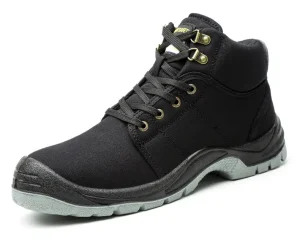
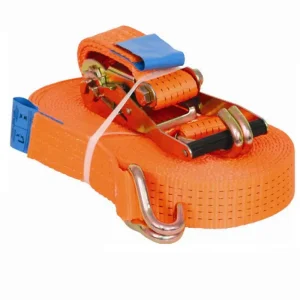
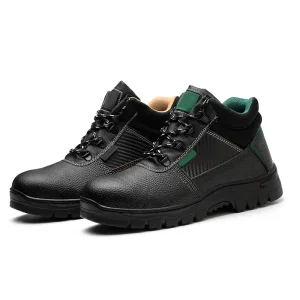
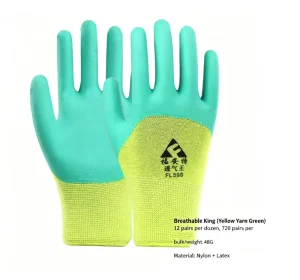
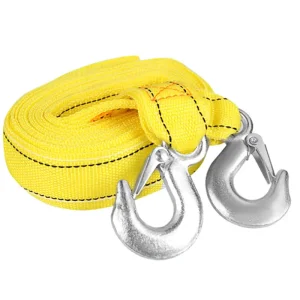
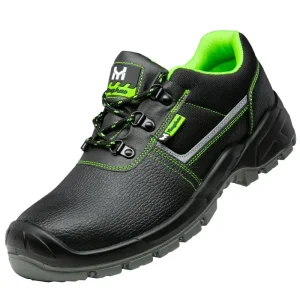
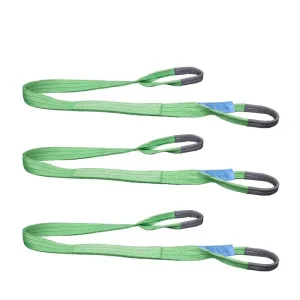
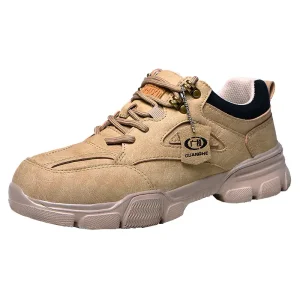
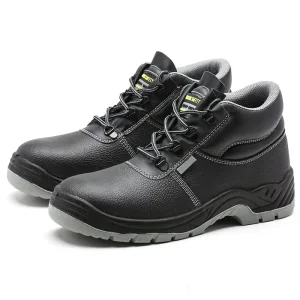
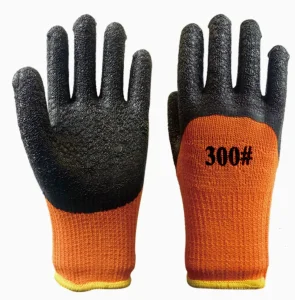
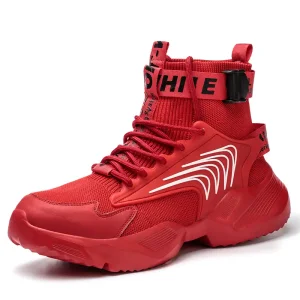
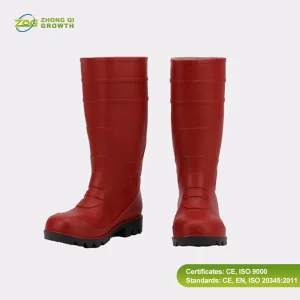
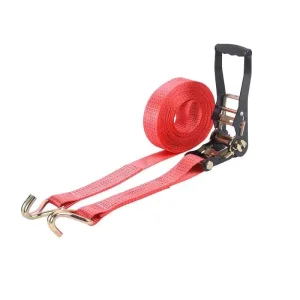
Rather than dealing with fractured suppliers for head protection, foot protection, load securement, and fall arrest rigging, procurement teams consolidate entire turn-key packages into unified 40-foot HQ shipping containers. Mix petroleum helmets with CE EN 361 harnesses, steel-toe boots, and cargo lashing straps seamlessly.
Each factory batch is accompanied by genuine accredited third-party test reports (SGS, TUV, BSI), Certificates of Conformity (CoC), material traceability certificates (MTRs), and dual-language technical data sheets ready to satisfy customs clearance agents and client HSE audits.
Detailed technical, compliance, and chemical engineering questions frequently evaluated by petrochemical EPC project procurement directors.
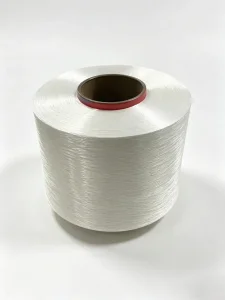
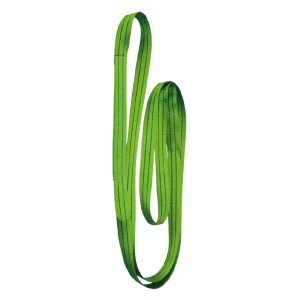
Complement your container shipment with high-tenacity polyester slings, impact-rated mining boots, and industrial transport lashing gear.