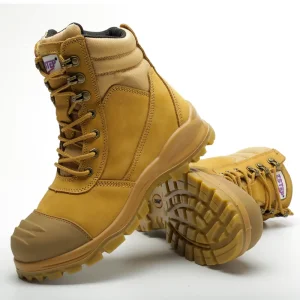
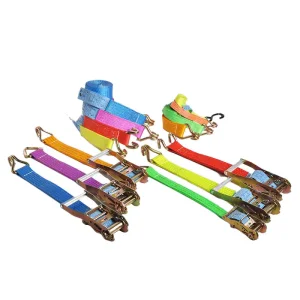
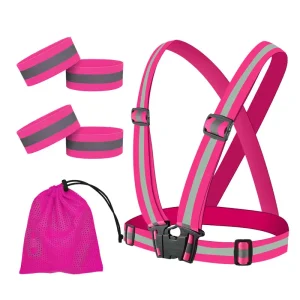
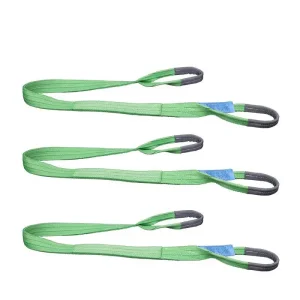
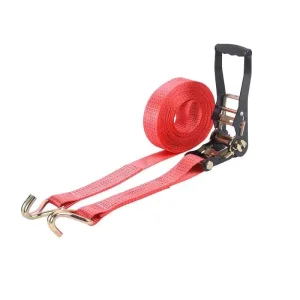
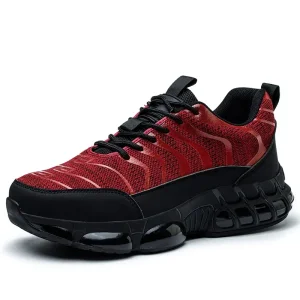
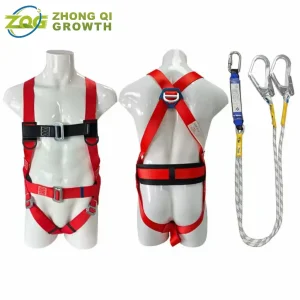
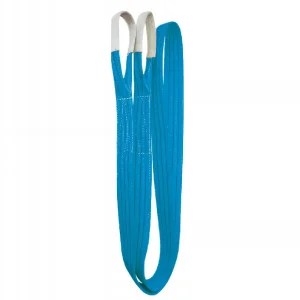
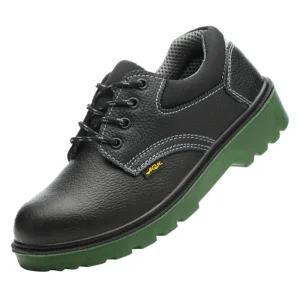
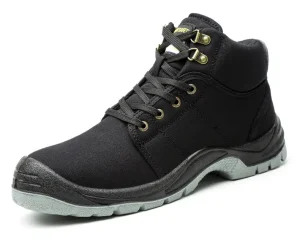
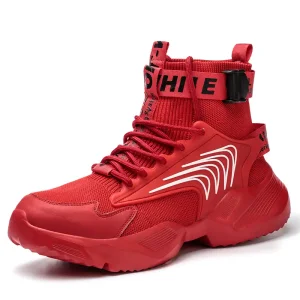
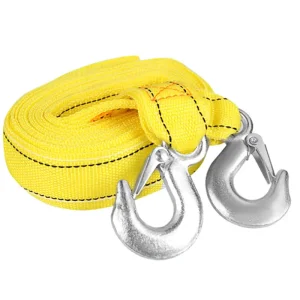
Explore our export-grade line of industrial protective boots, reinforced straps, lifting slings, and safety hardware built for harsh engineering operating environments.
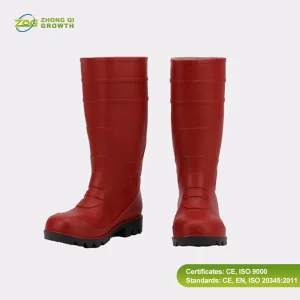
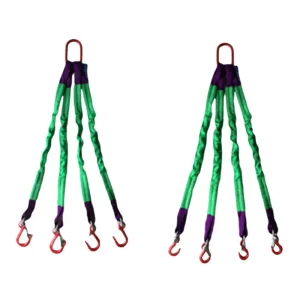
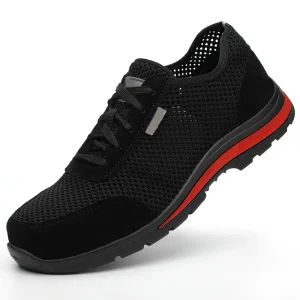
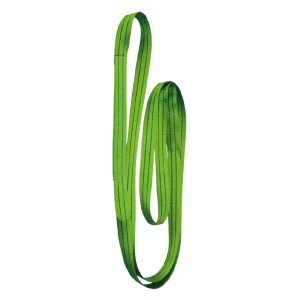
In modern industrial jobsite visual management, helmet color represents crucial functional hierarchy, electrical hazard mitigation, and designated trade expertise. Blue safety helmets specifically demarcate licensed technical specialists, certified electrical engineers, mechanical inspectors, and offshore energy operators.
Under international construction codes, blue helmets immediately identify master electricians, low-voltage cabling technicians, and substation instrumentation crews. Our dielectric blue helmets feature non-vented, Class E (Electrical) high-density polymers tested up to 20,000 volts, protecting operators against arc flashes, accidental conductor contact, and vertical falling hazards.
Millwrights and heavy mechanical specialists working around rotating machinery, heavy overhead gantries, and automated conveyors demand slim-profile blue hard hats with low-snag brims. The vivid royal blue hue delivers rapid visibility against concrete, metallic structural framing, and low-light industrial machine bays, reducing crane and forklift collision risks.
On oil rigs, floating production storage units (FPSO), and commercial shipyards, blue helmets signal specialized marine structural crews, hydraulic system engineers, and offshore crane signalmen. Coated with anti-UV stabilization additives, our marine-grade blue shells resist severe saline corrosion, ocean wind weathering, and extreme hydrostatic degradation.
Located in the Shuangjie Trusted Industrial Park in Tianjin, our facility bridges the gap between advanced polymer chemical synthesis, multi-cavity precision injection molding, and direct global maritime freight via Tianjin Port.
Unlike secondary recyclers, our factory utilizes 100% virgin Acrylonitrile Butadiene Styrene (ABS) and High-Density Polyethylene (HDPE) directly compounded with customized color-fast blue masterbatch. High-tonnage injection molding presses guarantee consistent shell wall thickness, zero internal porosity, and flawless structural yield points under drop-weight impact loads.
Every batch of blue safety helmets undergoes rigorous destructive testing in our internal testing laboratory. We utilize computerized deceleration sensors, 5 kg hemispherical striker drops from 1.000 mm, conical penetration spikes, and lateral deformation presses to guarantee that transmitted force consistently stays well below the strict 5 kN European standard threshold.
Direct adjacency to Tianjin Port allows our global clients to consolidate mixed PPE shipments. Bulk blue helmets can be paired into standard 40ft High Cube containers alongside safety harnesses, webbing slings, cut-resistant gloves, and safety footwear. This geographic proximity drastically slashes domestic trucking freight, customs dispatch lead times, and overall procurement costs.
The industrial safety helmet landscape is undergoing a massive transformation from basic passive plastic shells toward active, sensor-integrated, and human-centric micro-climate safety systems.
Traditional hard hats were historically engineered solely for vertical crown impacts. Modern EPC specifications increasingly demand Type II and climbing-style safety helmets incorporating multi-directional impact protection systems (similar to MIPS) and expanded polypropylene (EPP) side liners to mitigate traumatic brain injury (TBI) resulting from angular, oblique impacts.
With global heat stress regulations tightening across the Middle East, Australia, and Southern US, our R&D department has introduced solar and rechargeable micro-fan ventilation channels directly within the helmet crown. Furthermore, smart blue helmets are now equipped with RFID tracking tags, NFC inspection chips, and optional BLE man-down panic triggers for solo offshore workers.
Decarbonization is reshaping industrial supply chains. We are pioneering the integration of renewable sugarcane-derived polyethylene and closed-loop post-industrial polymers that maintain identical tensile yield and shatter-resistance characteristics while shrinking the embodied carbon footprint of large infrastructure projects by over 40%.
| Performance Parameter | High-Impact ABS Blue Helmet | Reinforced HDPE Blue Helmet | Polycarbonate (PC) High-Heat | Carbon Fiber Composite |
|---|---|---|---|---|
| Primary Mechanical Characteristic | Extreme rigidity, lateral crush resistance | Flexible, lightweight, cost-efficient | Ultra-high heat deflection & impact | Maximum strength-to-weight ratio |
| Dielectric Classification | Class E (Tested up to 20,000V) | Class E (Tested up to 20,000V) | Class G (Tested up to 2,200V) | Class C (Conductive / No Protection) |
| Operating Temperature Limits | -20°C to +50°C | -30°C to +50°C (Very Cold) | -40°C to +150°C (Furnace/Smelter) | -30°C to +120°C |
| Target Industrial Worksite | Power plants, sub-stations, high-rise | General utilities, light civil works | Foundries, welding shops, oil refining | Offshore rig inspection, executive |
| Standard Conformity | EN 397 / ANSI Z89.1 Type I/II | EN 397 / ANSI Z89.1 Type I | EN 397 (440V a.c., MM, +150°C) | EN 397 / AS/NZS 1801 |
Supplying massive EPC infrastructure projects, multinational mining conglomerates, and international safety distributors requires systematic quality assurance, standardized packaging, and custom private-label branding.
We provide comprehensive OEM private labeling for commercial PPE distributors. Our production lines feature multi-station automated pad printing capable of reproducing complex multi-color corporate logos, reflective safety striping, and custom QR codes on the front, sides, and rear of the blue helmet shell without compromising the chemical integrity of the underlying polymer.
Global enterprises demand cross-system modularity. Our blue safety helmets incorporate universal 30mm accessory side slots and integrated lamp clips designed to seamlessly mount hearing protection ear muffs, flip-up welding shields, mesh forestry visors, and intrinsically safe headlamps. No drilling, cutting, or mechanical modifications are ever required.
Worker compliance directly depends on helmet comfort during 12-hour shifts. We supply 4-point and 6-point textile webbing suspensions paired with smooth ratchet adjustment knobs that can be effortlessly operated even while wearing heavy duty leather work gloves. Washable porous sweatbands and breathable nape pads ensure heat dissipation in humid tropical work zones.
Every export shipment from our factory is accompanied by comprehensive Quality Assurance documentation. We provide batch-specific drop-tower test certificates, dielectric withstand verifications, raw material melt-flow index sheets, and direct compliance declarations under CE EN 397:2012+A1:2012, ANSI/ISEA Z89.1-2014, and AS/NZS 1801:1997.
Practical technical guidance directly from our factory production engineers and compliance auditors to help you make informed procurement decisions.
Under major international visual safety management protocols (including UK BuildUK and US OSHA common practice), blue safety helmets are primarily assigned to certified electrical engineers, low/high voltage electricians, millwrights, technical inspectors, and external subcontractors. This system enables site managers and safety supervisors to immediately identify authorized personnel during complex maintenance, lockout/tagout (LOTO) protocols, and live-circuit operations.
ABS (Acrylonitrile Butadiene Styrene) provides superior surface hardness, exceptional rigidity, and elevated resistance to lateral deformation and scratch damage, making it the premier choice for heavy construction and structural steel handling. HDPE (High-Density Polyethylene) provides a lighter overall profile, excellent ductile impact resistance at sub-zero temperatures (down to -30°C), and exceptional cost efficiency for general utility personnel. Both materials can achieve Class E electrical dielectric compliance when molded without ventilation perforations.
Under regular operational parameters, safety authorities recommend replacing the outer plastic shell every 3 to 5 years from the first date of active deployment, or within 5 years of the mold clock timestamp stamped into the helmet brim. Textile internal harnesses should be replaced every 1 to 2 years due to sweat absorption, oil contamination, and mechanical wear. Most importantly, if a helmet experiences a major impact, dropped object strike, or visible structural craze cracking, it must be removed from service immediately, even if visual damage appears superficial.
Yes. One of the core competitive advantages of our Tianjin manufacturing headquarters is complete supply chain integration. We routinely consolidate full container loads (20GP or 40HQ) containing your custom-branded blue safety helmets, full-body CE EN361 fall arrest harnesses, heavy-duty cargo straps, lifting slings, and safety footwear. This eliminates multiple customs declarations, streamlines supplier management, and optimizes international freight economics.
According to ANSI Z89.1 and EN 397 Class E methodologies, non-vented blue helmet shells are inverted, submerged into an electrolyte water bath, and subjected to a 20,000-volt AC electrical test potential for three full minutes. The helmet must exhibit zero insulation breakdown, flashover, or dielectric puncture, and the total leakage current conducted through the shell wall must remain below 9.0 milliamperes.
Complete your jobsite occupational safety compliance with our CE certified fall protection harnesses, heavy duty tie-downs, high-visibility reflective workwear, and abrasion-resistant work boots.