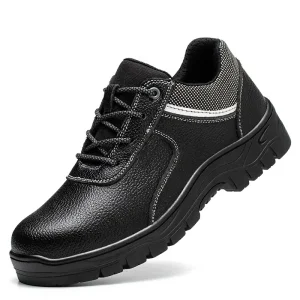
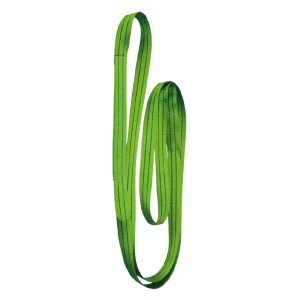
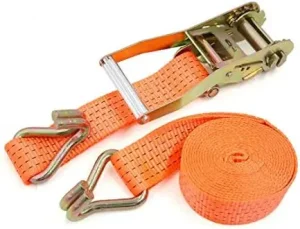
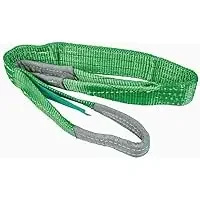
Precision-manufactured load-securing and certified personal protective inventory ready for volume export and immediate project deployment.
Industrial head protection is shifting rapidly from legacy injection-molded polymers to carbon-fiber-reinforced thermosets to balance severe impact mitigation with ergonomic weight reduction.
Continuous-filament carbon fiber matrix composites yield a tensile strength-to-weight ratio more than five times higher than standard High-Density Polyethylene (HDPE) and Acrylonitrile Butadiene Styrene (ABS). This prevents blunt crown penetration while significantly reducing neck strain over extended operating shifts.
Modern work environments present complex kinetic hazards beyond simple perpendicular top drops. Carbon composite shell laminates are tailored with multi-axial fiber layups (0°/90°/±45°) to distribute lateral, off-axis, and rotational torque across the shell rather than channeling force directly into the cervical spine.
Unlike thermoplastic shells subject to UV degradation, chemical brittleness, and thermal deflection in extreme heat, carbon composite matrix resins remain chemically inert. They maintain stable impact attenuation performance from -30°C in high-latitude infrastructure to +50°C in open-pit mining.
Measured values based on typical Type I/II industrial shell cross-sections across standardized test protocols.
| Substrate Material | Density (g/cm³) | Tensile Strength (MPa) | Deflection Temperature (°C) | Standard Service Life |
|---|---|---|---|---|
| High-Density Polyethylene (HDPE) | 0.95 - 0.97 | 25 - 35 | 65 - 80 | 2 - 3 Years |
| Acrylonitrile Butadiene Styrene (ABS) | 1.03 - 1.07 | 40 - 50 | 85 - 100 | 3 - 4 Years |
| Carbon Fiber Prepreg Composite | 1.45 - 1.55 | 600 - 1200+ | > 220 | 5 - 8 Years (Inspection Dependent) |
Enterprise procurement directors, offshore contractors, and major logistics infrastructure operators face complex supply hurdles that require integrated manufacturing systems.
Multinational operations require safety headgear that satisfies EN 397 (industrial), EN 12492 (mountaineering/work-at-height), and ANSI/ISEA Z89.1 Type I & II Class C simultaneously to streamline international inventory.
OEM contracts must provide digital material traceability. Every batch of prepreg resin and carbon tow is tracked from autoclave polymerization to final drop-tower impact logging to protect against compliance liability.
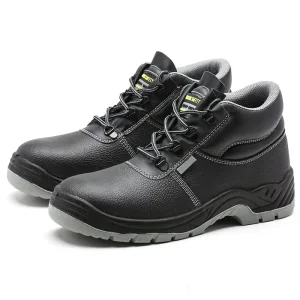
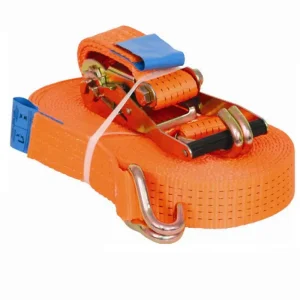
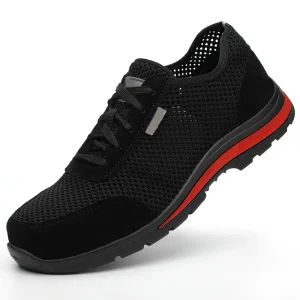
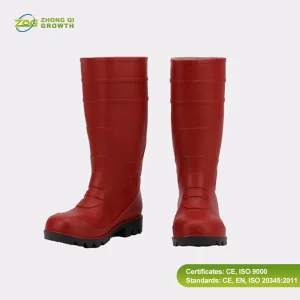
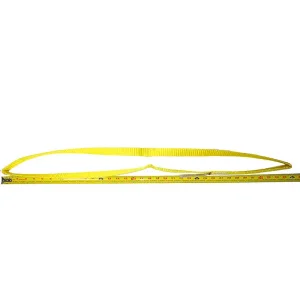
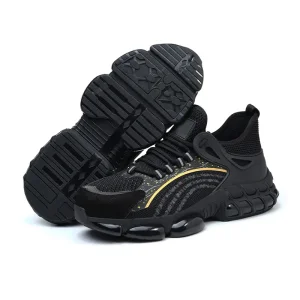
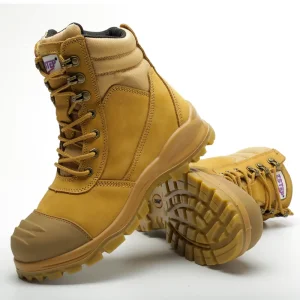
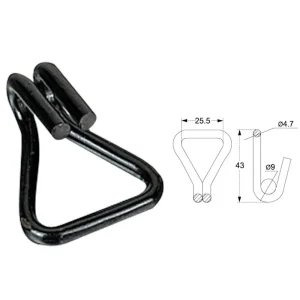
Combining composite helmets with matching EN 361 fall harnesses, tie-down webbing, and safety boots directly from Tianjin reduces inland freight waste and eliminates multi-vendor handling risks.
Factory engineering supports customized internal cradles, quick-release chin straps, ear defender slots, headlamp integrated clips, and corporate livery transfer for major industrial brands.
Delivering global regulatory conformity with rigorous mechanical batch verification, documentation audits, and dedicated export operations.
Helmets undergo calibrated drop-tower tests with hemispherical and flat strikers at both high and low temperatures. Transmitted force measurements must remain below 5.0 kN to satisfy CE EN 397 and ANSI Z89.1 thresholds before factory release.
Located in Shuangjie Trusted Industrial Park, Tianjin, our factory sits next to Tianjin Port. This proximity enables direct container transfers, cuts inland freight costs, and provides efficient sea transit to European, North American, and Asia-Pacific ports.
Inquiries are handled by experienced PPE product engineers rather than standard sales desks. Our team provides detailed technical submittals, material test reports (MTR), and suspension harness configurations within 24 hours.
The next generation of carbon safety helmets is evolving from passive mechanical barriers into active, connected safety nodes.
Embedding micro-piezoelectric filaments within carbon fiber plies to measure cumulative structural stress, UV dosage, and micro-fractures, alerting safety managers when a helmet needs replacement.
Factory integration of Ultra-Wideband (UWB) worker tracking, proximity collision warning for heavy equipment zones, and Bluetooth-mesh SOS triggers built directly into composite shells.
Developing closed-loop carbon recycling and bio-epoxy systems to help multinational contractors lower carbon footprints without reducing structural safety.
Clear answers to common questions regarding carbon safety helmet engineering, OEM specifications, and international trade compliance.
Carbon composite shells provide significantly higher tensile modulus and impact distribution per gram. They disperse top and off-axis impact energy across the continuous carbon tow without the structural deflection common in thermoplastics. This enables thinner, lighter shells (often under 380 grams) that reduce worker fatigue during long shifts.
Pure carbon fiber is naturally conductive, classifying uninsulated shells under ANSI Z89.1 as Class C (Conductive - no electrical protection). For utilities requiring Class E (20,000V) or Class G protection, we laminate non-conductive dielectric fiberglass or aramid layers into the outer composite matrix to meet international electrical safety standards.
Backed by more than 15 years of OEM/ODM manufacturing, we offer comprehensive customization: custom carbon weave finishes (3K plain, twill, or forged patterns), bespoke pad printing, laser-etched badges, adjustable ratchet suspensions, slot configurations for visors and ear defenders, and tailored export packaging.
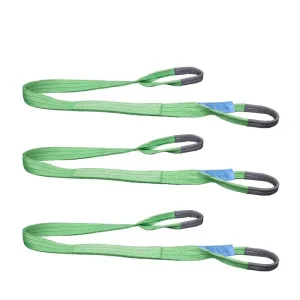
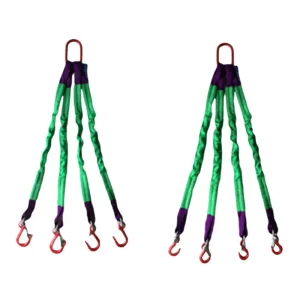
Yes. In addition to protective headgear, our production lines in Tianjin manufacture CE EN 361 full-body fall arrest harnesses, EN 1492-1 polyester lifting slings, and heavy cargo tie-downs. Importers can combine complete PPE and cargo handling systems in a single container to optimize logistics and port clearance.
While standard polyolefin helmets degrade within 2 to 3 years under UV exposure, composite carbon shells resist solar aging and maintain structural stability for up to 5 to 8 years in standard industrial service. Any helmet subjected to severe impact, deep abrasion, or chemical wash must be retired immediately.
Standard sample runs require 5 to 7 working days, while full container load (FCL) orders average 20 to 30 days depending on OEM specifications. Operating adjacent to Tianjin Port ensures quick vessel loading and predictable dispatch for global maritime shipments.
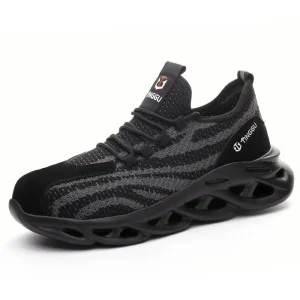
Explore our full line of safety shoes, heavy-duty ratchet webbing, and certified rigging systems built to support tough industrial workflows.