Integrate certified head protection, ergonomic footwear, high-visibility vest systems, and certified webbing solutions directly from China's primary manufacturing hub.
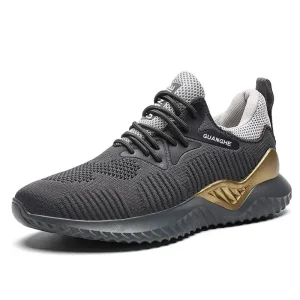
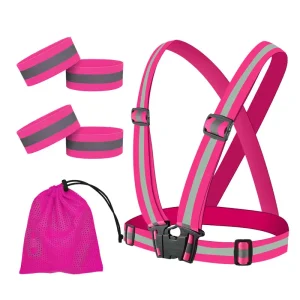
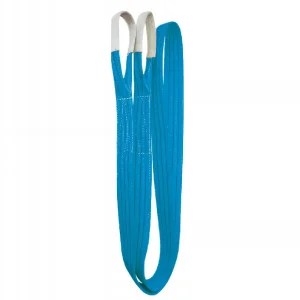
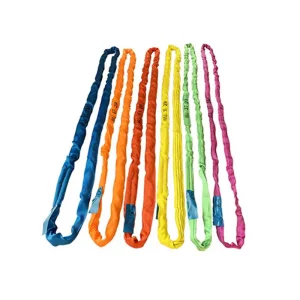
Analyzing global transition dynamics, multi-directional kinetic dissipation, anthropometric optimization, and smart PPE integration in modern workforce safety management.
For more than half a century, the industrial hard hat remained structurally static—a simple convex shell suspended over a plastic webbing harness designed exclusively to arrest vertical falling objects (linear crown impacts). However, clinical epidemiological data from global construction, mining, and offshore extraction sectors reveals that over 64% of traumatic brain injuries (TBIs) in occupational environments result from off-axis, angular, or rotational impacts resulting from slips, trips, falls from elevation, or swinging industrial machinery.
While traditional ANSI Type I / EN 397 designs safeguard purely against top-of-head impact, modern procurement mandates favor ANSI Type II / EN 12492 safety helmets. Engineered with multi-density Expanded Polystyrene (EPS) and Expanded Polypropylene (EPP) liners, these systems absorb lateral, frontal, and occipital mechanical energies.
Linear impact testing fails to account for rotational acceleration—the primary cause of diffuse axonal injury (DAI) and subdural hematomas. Next-generation safety helmets incorporate low-friction internal slip membranes and shearing micro-elastomers that dissipate rotational kinetic forces by 25–40% upon oblique impact.
Thermal stress severely degrades cognitive performance and increases on-site incident probability. Advanced aerodynamic ventilation channelling with integrated stainless-steel mesh baffles expels humid microclimates while retaining complete structural integrity and Class C foreign object deflection.
Anthropometric Fact for Men's Protective Gear: Cranial morphology varies widely across biological male cohorts. Factory-engineered industrial helmets utilize 6-point to 8-point nylon suspension systems paired with precision micro-ratchet dials (53–64 cm circumference adjustment) to guarantee zero pressure-point fatigue during intensive 12-hour operational shifts.
Engineering compliance across major international industrial jurisdictions: ANSI/ISEA, European Norms, Australian Standards, and Chinese National GB protocols.
| Standard / Regulation | Geographic Jurisdiction | Impact Testing Modality | Electrical Insulation Class | Low-Temp Resistance | Lateral Deformation (LD) |
|---|---|---|---|---|---|
| ANSI/ISEA Z89.1-2014 (R2019) | North America / USA | Type I (Top) / Type II (Top & Lateral, 3.6m/s velocity drop) | Class E (20,000V phase-to-ground proof test) | -30°C (Optional LT rating) | Not specified under ANSI standard |
| EN 397:2012 + A1:2012 | European Union / UK (UKCA) | Vertical 5kg striker dropped from 1m (Max transmitted force < 5.0kN) | 440V a.c. electrical resistance | -20°C standard, -30°C optional | Optional 430N compressive force test |
| EN 12492:2012 | Global Height Safety / Rope Access | Vertical, front, lateral, and rear impact absorption thresholds | Non-conductive / Non-rated (Ventilation holes open) | -40°C cryogenic conditioned drops | Integrated chin strap retention > 500N |
| AS/NZS 1801:1997 | Australia / New Zealand | Type 1 (Industrial), Type 2 (High Temp), Type 3 (Bushfire) | Class G (General) & Class E (High Voltage) | Conditioned thermal cycle tests | Stiffness and penetration mandatory |
| GB 2811-2019 | China National Mandatory | Impact force < 4.9kN; high-velocity conical drop penetration test | Class E & Class G insulation thresholds | -30°C ultra-low temp standard | Rigid lateral compressive testing |
Rigid hemispherical drop tests require peak force reduction below 5kN. Our reinforced crown ribs attenuate impact spikes through controlled viscoelastic polymer deformation.
Every batch of Class E safety helmets undergoes 20,000V immersion proof testing with leakage current capped at under 9.0 milliamps, preventing flashover hazard.
Dual-standard compliance options: 15–25 daN release force for ground work (anti-strangulation) versus > 50 daN for elevated working (preventing helmet loss in fall arrest).
Harnessing automated injection tooling, virgin resin stability, and integrated maritime supply logistics directly adjacent to Tianjin Port.
Thermal stability, chemical resilience, and flexural modulus vary dramatically based on the substrate polymer selected. Our factory lines utilize high-impact Virgin Acrylonitrile Butadiene Styrene (ABS) for superior rigid surface hardness and flame retardancy; High-Density Polyethylene (HDPE) for ultra-lightweight, cost-efficient bulk site applications; and Polycarbonate-PBT alloys for extreme high-heat environments like foundry and metallurgical processing.
By eliminating manual demolding, multi-axis robotic extraction arms deliver continuous cycle times with zero stress-craze formation in the shell geometry. Every production shift runs automated inline 3D laser scanners measuring shell wall thickness consistency down to ±0.05mm, preventing structural micro-voids that could catastrophically fail under low-temperature impact conditioning (-30°C).
Engineered to surpass baseline standard compliance across heavy industrial verticals, specialized work conditions, and extreme climates.
High-density work environments characterized by multi-tiered trades, overhead crane slewing, and lateral scaffolding hazards require all-around cranial protection.
Salt spray corrosion, hydrocarbon vapor atmospheres, and extreme wind shear require non-sparking, intrinsically anti-static shell formulations.
Technicians maneuvering in tight nacelles and climbing at 100-meter elevations demand short-peak brim designs for uninhibited upward field of vision.
Minimizing freight-landed cost while streamlining quality assurance across unified fall protection, lifting webbing, and safety helmet purchase orders.
Our manufacturing facility provides end-to-end turnkey customization for multinational distributors and tier-1 EPC contractors. Utilizing high-resolution multi-color pad printing and direct in-mold labeling (IML), client trademarks, reflective micro-prismatic livery, and localized safety mandates are integrated permanently into the shell structure, resisting solvent washing and UV fading.
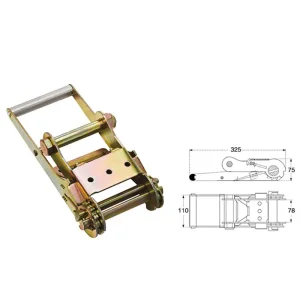
Sourcing safety equipment from fragmented single-product workshops inflates port clearance fees, inland transit costs, and administrative audit friction. Situated in Tianjin's industrial corridor adjacent to Tianjin Port, our plant enables buyers to consolidate full-body harnesses, lifting slings, ratchet straps, footwear, and safety helmets into unified 20GP or 40HQ shipments.
Detailed technical answers for industrial safety directors, compliance officers, and global import managers.
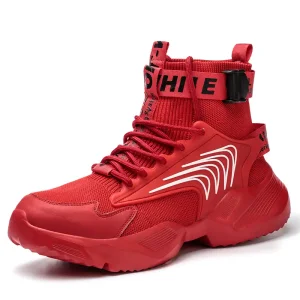
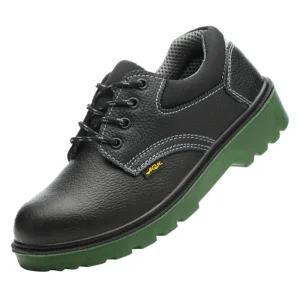
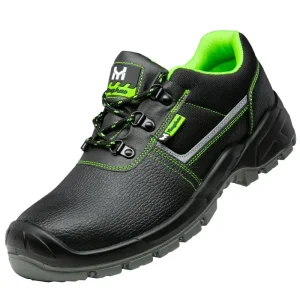
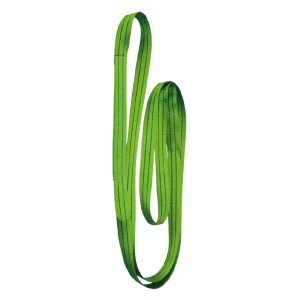
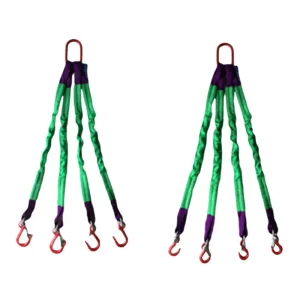
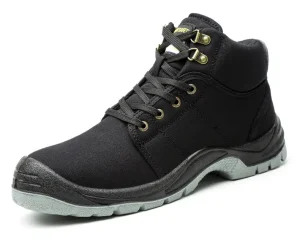
Source high-tenacity lifting slings, puncture-resistant protective boots, and heavy cargo hardware direct from the primary factory source.
Inquire directly with our export engineering office for testing certificates, batch trial pricing, and customized OEM specifications.