
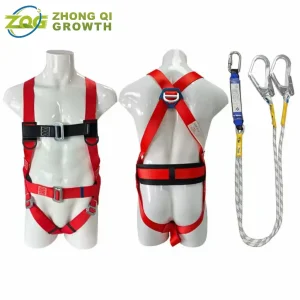
Cheap CE EN361 5-Point Full Body Safety Harness, Polyester Fall Arrest Harness with Waist Manufacturers, Factory
View Product Details
Direct wholesale inventory for personal protective equipment, safety shoes, webbings, and fall protection harnesses directly delivered from Tianjin manufacturing clusters.
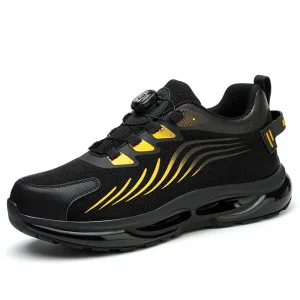
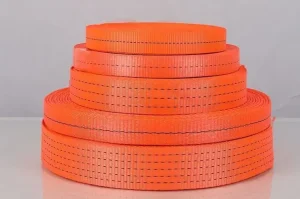
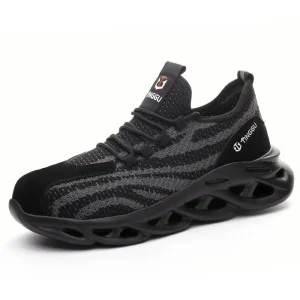
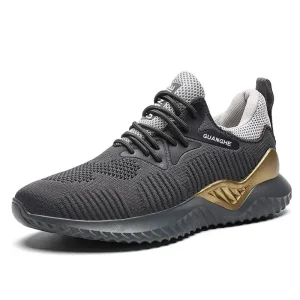
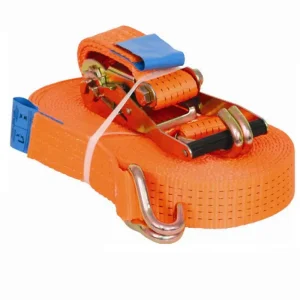
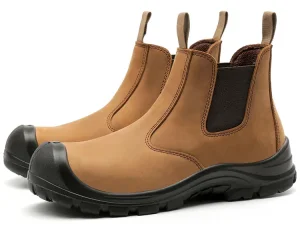
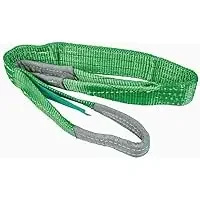
Analyzing shell mechanical resilience, rotational impact dissipation, and sensor integration frameworks across underground extraction operations.
Traditional hard hats manufactured from baseline polyethylene cannot endure the combined operational stress of low-vein subsurface coal mines: chemical acid runoff, high ambient temperatures, falling rock shards, and severe ultraviolet degradation. Contemporary high-grade mining safety helmets rely on modified High-Density Polyethylene (HDPE), Acrylonitrile Butadiene Styrene (ABS), and carbon-fiber-reinforced polymer matrices. These thermoplastic composites are precision-formulated to resist radiant thermal loads up to 150°C while maintaining exceptional impact dissipation at -30°C, exceeding global testing standard benchmarks.
Conventional certifications historically tested solely for perpendicular linear impacts. Real-world mine cave-ins, wall bursts, and equipment collisions invariably exert complex oblique forces, transferring catastrophic rotational acceleration directly to the human cervical spine and brain stem. Modern manufacturer testing regimens implement 6-point and 8-point internal webbing suspensions combined with low-friction slip planes. By decoupling the shell's exterior kinetic displacement from the harness suspension, these systems reduce rotational brain acceleration by up to 34% during unpredictable rockfall events.
Industrial Mining 4.0 mandates the convergence of PPE with real-time site digitization. Forward-thinking original equipment manufacturers are designing helmet shells with factory-molded bracketry to support intrinsically safe (ATEX Zone 0 / MSHA certified) hardware. This includes high-lumen cap lamps, methane and carbon monoxide micro-sensors, mesh-network UWB location tracking beacons, and biometric sensors that continuously monitor operator fatigue, core body temperature, and sudden fall events in subterranean shafts.
Directing wholesale procurement criteria toward localized operational environments, compliance standards, and risk profiles.
Procurement directors operating across the Pilbara and Goldfields corridors enforce uncompromising AS/NZS 1801 Type 1 and Type 2 compliance. Requirements demand ventilated crown geometry to alleviate hyperthermia under 45°C ambient desert exposure, extreme UV stabilizers capable of retaining elongation tensile values beyond 36 months, and non-conductive polycarbonate chassis for open-pit extraction near high-voltage haul trucks.
Extending along the Chilean and Peruvian Andes, mining projects operate at elevations exceeding 3,500 meters. B2B buyers require hard hats validated for extreme sub-zero brittle-fracture resilience, low-pressure mechanical stability, and full modular compatibility with high-grade respiratory seals, integrated cold-weather balaclavas, and anti-fog wrap-around visors capable of shielding against high-velocity saline grit.
Managing ultra-deep gold and platinum reef extractions across the Witwatersrand basin requires hard hats tailored to ultra-confined spaces with continuous 90%+ relative humidity. Procurement teams focus on heavy-duty, reinforced rim profiles capable of surviving sustained friction against abrasive hanging walls, non-corroding brass or high-tensile composite cap lamp brackets, and quick-release, antimicrobial 4-point chin straps.
How automated robotic injection molding, domestic polymer feedstocks, and Tianjin coastal logistics minimize total cost of acquisition for global distributors.
Our Tianjin smart-factory lines utilize high-tonnage multi-cavity injection machines driven by real-time infrared mold-cavity thermal analysis. This guarantees uniform wall thickness throughout the helmet dome, eradicating microscopic structural thinning and air pocket vulnerabilities that commonly compromise impact performance in manual foundries.
From initial spectroscopic evaluation of incoming raw polypropylene and virgin ABS pellets to automated batch drop-tower testing, hydraulic crown puncture tests, and accelerated thermal-weathering chambers, every factory production lot undergoes exhaustive destructive and non-destructive evaluations traceable via automated digital batch logging.
Situated in the Shuangjie Trusted Industrial Park, our production facilities maintain immediate access to the Tianjin Port container terminals. By keeping inland drayage distances under 60 kilometers, our logistics framework minimizes shipping transit lags, cuts domestic freight surcharges, and supports mixed-container OEM consolidation.
We empower enterprise safety distributors to brand their head protection offerings down to the finest specification. We offer custom Pantone color matching for corporate site fleets, specialized pad printing of safety credentials and brand logos, custom-molded slotted accessories, and bespoke multilingual retail or bulk packaging.
Configured performance profiles engineered to eliminate hazard vectors across distinct mineral extraction workspaces.
Underground soft-rock excavation generates intense concentrations of airborne coal dust and explosive methane environments. Helmets deployed here require anti-static (electrostatic dissipative) polymer additives preventing ignition sparks, non-magnetic cap lamp retaining brackets, integrated ear-defenders certified for high-decibel continuous shearer operation, and durable face shields to protect against cutter pick fragmentation.
Surface haulage and open-cast blasting involve extreme solar exposure, severe ambient heat, and particulate dust clouds. These conditions necessitate wide-brim helmets providing 360-degree deflection of rock shrapnel and direct sunlight. Configurations incorporate active air ventilation slots with micro-mesh filters, dark-tinted UV400 retractable polycarbonate visors, and high-visibility fluorescent shells accented with prismatic retro-reflective tape.
Drilling, blasting, and mucking cycles in narrow gold and nickel reefs place workers directly adjacent to unsupported rock walls prior to shotcreting. Helmets must prioritize superior top and lateral impact resistance (Type II compliance). Shock-attenuating EPS foam liners absorb secondary lateral crush forces caused by shifting rock slabs, while 4-point chin straps prevent helmet loss during dynamic concussive blast vibrations.
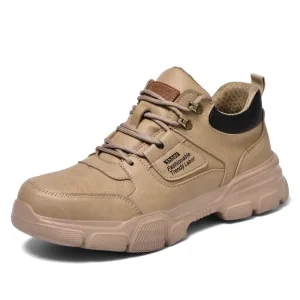
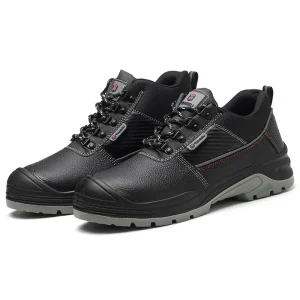
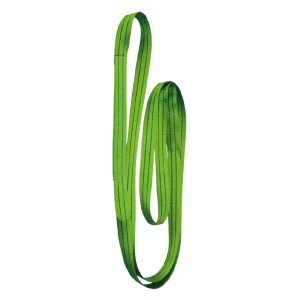
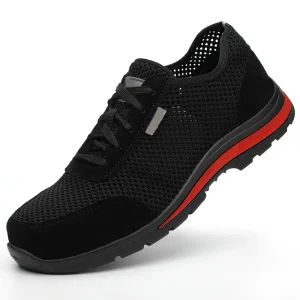
Expand your commercial container shipments with certified industrial safety boots, round webbing slings, and heavy impact protection gloves.
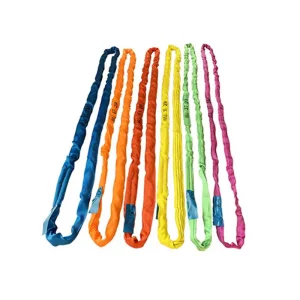
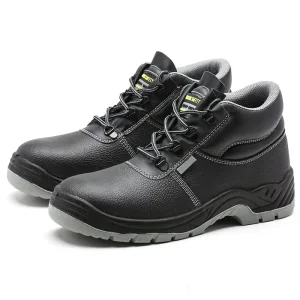
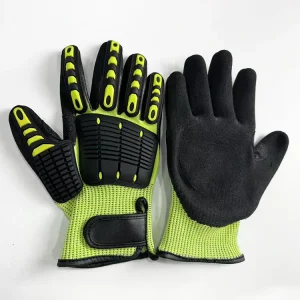
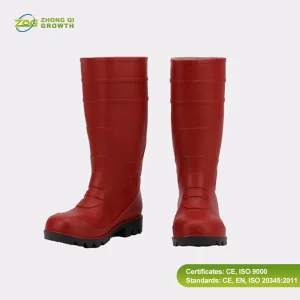
Ensuring compliance across the world's strictest occupational health and safety testing mandates.
Helmets undergo 5 kg steel striker drop-impact tests from 1 meter, maintaining peak transferred force through the headform below 5 kN. Further testing covers flame spread resistance, lateral shell deformation under sustained 430 N mechanical clamping, and full electrical insulation testing up to 440V AC for secondary electrical hazard exposure.
Certified across Type I (top impact) and Type II (top and lateral impact) configurations, across Class E (Electrical up to 20,000V phase-to-ground proof-tested) and Class G (General 2,200V). Tests include apex and off-center conical striker penetration resistance following 4-hour conditioning under -30°C and +49°C temperature extremes.
Production runs undergo rigorous environmental stress corrosion cracking (ESCC) exposure, verifying that helmet shells sustain no loss of structural integrity when exposed to acidic mine water, hydraulic fluids, diesel fumes, or heavy industrial cleaning chemicals commonly encountered in extraction zones.
Essential guidance for procurement directors, safety distributors, and supply chain managers.