Mechanical Handling
Engineered for extreme duty cycles across Southern Vietnam's leading manufacturing parks, deep-water ports, and export processing zones. Complete batch traceability and certified mechanical endurance.
How Vietnam's southern manufacturing epicenter drives intense technical demands for high-coefficient friction materials, microclimate moisture management, and chemical-abrasion resistance.
Ho Chi Minh City (HCMC) stands as the dynamic nucleus of Vietnam’s Southern Key Economic Zone (SKEZ). Interconnected seamlessly with the expansive manufacturing corridors of Bình Dương, Đồng Nai, Bà Rịa–Vũng Tàu, and Long An, this regional cluster represents over 45% of Vietnam’s total industrial output. Within industrial parks like Tan Thuan EPZ, Linh Trung, Saigon Hi-Tech Park (SHTP), and Cat Lai Industrial Complex, work environments are characterized by harsh operating parameters: equatorial ambient humidity exceeding 85%, continuous thermal load, and demanding multi-shift throughput.
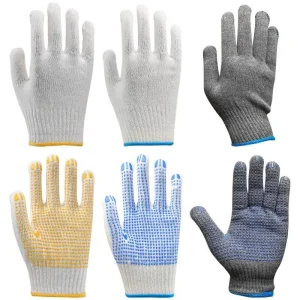
In this environment, general-purpose gloves fail prematurely. Non-slip, wear-resistant hand protection is not merely a consumable; it is a critical asset determining tactile efficiency, operational ergonomics, and worker retention. Precision electronics assemblers, tier-1 automotive components fabricators, and wooden furniture exporters across District 9, Thu Duc, and adjacent Bien Hoa demand specialized formulations—ranging from microporous nitrile dip coatings capable of displacing oily films to micro-textured polyurethane (PU) that avoids silicone contamination.
In the tropical conditions of Ho Chi Minh City, worker perspiration trapped within impermeable gloves causes skin maceration, contact dermatitis, and immediate grip fatigue. Our polymer dipping lines integrate open-cell microfoam structures that actively exhaust internal vapor while repelling external hydrocarbons and water-soluble coolants.
1. Port & Container Terminals (Cát Lái & Cái Mép): Extreme abrasion hazards involving synthetic hawser handling, twist-lock operation, and salt-laden corrosive machinery. Demands 10-gauge poly-cotton liners dipped in thick crinkle latex or dual-nitrile coatings.
2. Precision Electronics (SHTP): Low-linting, cleanroom-compatible 18-gauge nylon/spandex liners with ultra-thin waterborne polyurethane palm dips. Surface resistivity strictly regulated to prevent electrostatic discharge (ESD) events.
3. Heavy Metal Fabrication & Shipbuilding: Sharp sheet metal edges, stamping burrs, and hydraulic oil slicks require cut-resistant HPPE/steel composites married to gritty sandy nitrile palm architectures.
How multinational procurement directors and Fortune 500 safety directors engineer risk-insulated supply lines combining direct factory cost structures with Vietnam’s preferential trade agreements.
Global buyers leverage Ho Chi Minh City as an export launchpad under the EU-Vietnam Free Trade Agreement (EVFTA), CPTPP, and Regional Comprehensive Economic Partnership (RCEP). Shifting volume or consolidating with our manufacturing channels eliminates punitive trade barriers while maintaining strict origin rules (Form EUR.1, Form D, Form E).
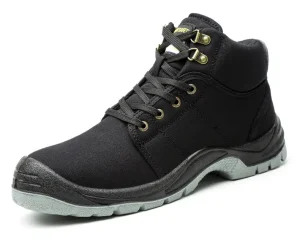
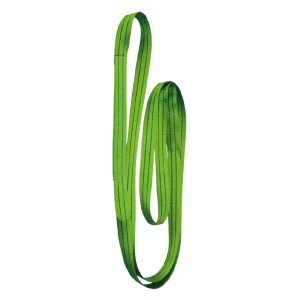
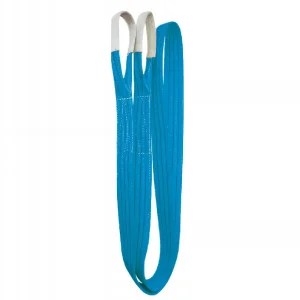
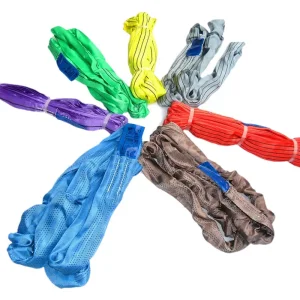
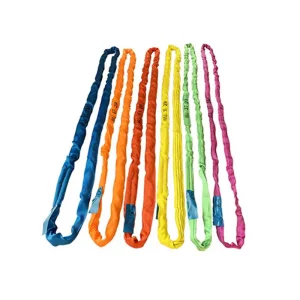
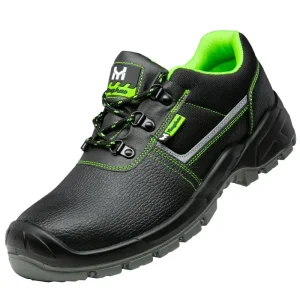
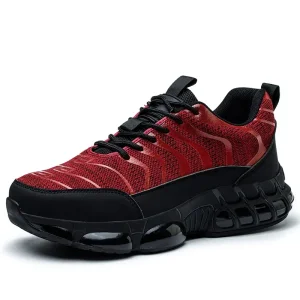
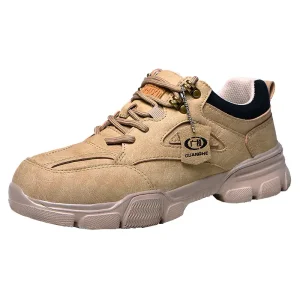
Tier-1 purchasers rarely purchase gloves in isolation. Our integrated manufacturing capability allows multi-SKU consolidation within 20ft/40ft HQ containers—pairing high-volume non-slip gloves with heavy-duty polyester lifting slings, EN 361 fall harnesses, and safety footwear to dramatically optimize logistics costs.
Modern corporate procurement mandates rigorous social compliance. Our facilities strictly operate under SEDEX (SMETA), BSCI, and ISO 9001:2015 frameworks. We eliminate volatile organic compounds (VOCs), prohibit DMFa solvents in PU dipping lines, and recycle 92% of continuous post-dipping wash water.
Dissecting the tribological interactions between polymer coatings, mechanical substrate braiding, and dynamic surface tensions in wet, oily, and abrasive conditions.
In oily manufacturing conditions—such as stamping transmissions or machining castings—liquid lubricants form an unbroken hydrodynamic film that causes severe slippage. Our micro-foam nitrile coating utilizes micro-capillary suction pockets created during a controlled thermal-leaching sequence. These microscopic voids pull oil away from the contact surface, restoring dry kinetic friction coefficients (µ > 0.85).
For ultra-abrasive applications, such as handling unpolished granite, corrugated paperboard, or raw steel rods, sandy nitrile uses mineral-particle texturing that bites through heavy slurries without sacrificing polymer elongation properties.
Gloves must balance cut resistance, burst strength, and tactile feedback. Our computerized Shima Seiki weaving plant utilizes 13, 15, and ultra-dense 18-gauge knitting machines. We pair high-tenacity polyester, ultra-high-molecular-weight polyethylene (UHMWPE/HPPE), and core-spun tungsten wires with continuous-filament Lycra®.
The result is an anatomical glove shell that mimics human hand resting posture (pre-curved fingers), minimizing hand fatigue by 34% during 8-to-12-hour continuous shifts in demanding production plants.
| Coating Technology | Primary Polymer | Surface Tribology | EN 388 Abrasion | Oil Grip (µ) | Breathability | Ideal Sector Application |
|---|---|---|---|---|---|---|
| Micro-Foam Nitrile | NBR Latex (Synthesized) | Capillary Suction Pores | Excellent (0.88) | High (Air Permeable) | Automotive Powertrain, CNC Centers | |
| Sandy Finish Nitrile | NBR + Particle Etch | Coarse Granular Texture | Maximum (0.94) | Moderate | Heavy Logistics, Steel Scrap, Dredging | |
| Waterborne PU | Polyurethane (DMF-Free) | Smooth Micro-Adhesion | Low-Dry (0.42) | Superior | Electronics Assembly, Cleanroom Tier-2 | |
| Crinkle Latex | Natural Rubber Compounded | Deep Elastic Ridges | Wet Grip High (0.82) | Medium | Construction, Timber Handling, Roofing | |
| PVC Dot Matrix | Plastisol Polymers | Dispersed Raised Nodes | Dry High (0.75) | Maximum (Open Knit) | General Warehousing, Packaging Lines |
Anticipating the next generation of smart, sustainable, and ultra-high-tactility PPE built for industry 4.0 automation and green circular economy mandates.
Transitioning standard synthetic NBR to carboxylated acrylonitrile polymers infused with anaerobic biodegradation accelerators. In landfill conditions, these coatings degrade 70% faster without shedding harmful microplastic residues, assisting global enterprises in meeting strict Scope 3 ESG targets.
Modern warehouse and manufacturing automation relies heavily on rugged tablets and human-machine interface (HMI) screens. Rather than localized conductive fingertip pads that peel away under wear, our roadmap embeds conductive silver-copper nano-threads uniformly through the entire liner fabric for permanent touch response.
Integration of machine-vision guided dipping troughs that dynamically compensate for ambient humidity variations in HCMC facilities. Computer-controlled dwell times and temperature feedback ensure sub-millimeter coating uniformity down to ±0.03mm thickness across palm and knuckle interfaces.
How we safeguard importers and distributors against regulatory rejection, port detention, and workplace safety liability through verified third-party laboratory accreditations.
All manufactured non-slip, wear-resistant gloves undergo rigorous batch testing in accredited laboratories (such as CTC, SATRA, and SGS). We guarantee complete conformity with:
Every container dispatched to Cat Lai or foreign discharge ports is accompanied by an AQL 1.5/2.5 technical inspection certificate covering:
• Martindale Abrasion Proofing: Verification of yarn matrix cohesion under sustained cycle load.
• Polymer Thickness Gauging: Micrometer scanning across finger crotches and thenar pad zones.
• Color-Fastness & Delamination Pull: Coating shear testing to eliminate peeling failures in oil baths.
• Barcode & Packaging Integrity: Custom packaging, UV-stable master cartons, and humidity-desiccant loading.
Authoritative answers to critical inquiries raised by global procurement executives, safety engineers, and logistics specialists.
Non-slip kinematics depend heavily on fluid viscosity. For water, alkaline solutions, and construction slurries, our Crinkle Natural Latex or Sandy Nitrile profiles provide deep physical grooves that physically channels liquids away like a performance tire tread. For hydrocarbon oils, engine grease, and synthetic cutting fluids, our Micro-Foam Nitrile operates via micro-capillary action, creating surface micro-vacuum pockets that break the liquid boundary layer and achieve a dry-state friction coefficient (µ ≥ 0.85).
Standard OEM production batches require an MOQ of 6,000 to 12,000 pairs per specification/colorway. For custom yarn formulations (e.g., specific HPPE/basalt blends) or custom silicone-free branding, standard lead time runs 25 to 35 business days from final digital proofs and laboratory dip approval. Expedited dispatch is available for regular stocked shell configurations, with shipping directly managed through Ho Chi Minh City / Cat Lai Port or nearest hub terminals.
Delamination in humid climates typically occurs when water-based coagulants are insufficiently cured, or when microbial fungi attack cotton/polyester blends. We utilize vulcanized cross-linking agents that bond the synthetic rubber directly into the outermost fibers of the knitted matrix. Furthermore, all knitted liners receive Sanitized® antimicrobial treatments that inhibit bacterial proliferation and fungal odor formation, even under prolonged high-perspiration shifts.
Yes. This represents one of our distinct competitive advantages for international importers. We routinely coordinate full container loads (FCL) that consolidate non-slip gloves with CE EN 361 fall-arrest safety harnesses, EN 1492-1 high-strength polyester webbing slings, and heavy-duty industrial safety shoes. Consolidating high-cube, low-weight gear with dense equipment maximizes container volume utilization, saving clients up to 28% in ocean freight costs per unit.
Under EN 388:2003, the Martindale abrasion test used standard abrasive paper that often varied across test batches. The EN 388:2016+A1:2018 standard mandates Klingspor PL31B abrasive paper, which offers consistent grain morphology and prevents false abrasion ratings. Our premium micro-foam and sandy nitrile gloves achieve Level 4 ratings under the 2016 standard, easily exceeding 8,000 abrasion cycles before polymer breakthrough.
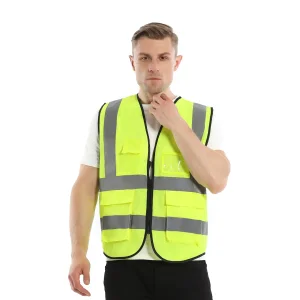
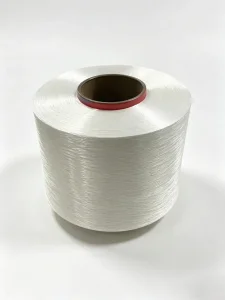
Certified industrial rigging, high-tensile yarns, structural safety footwear, and ergonomic apparel designed for comprehensive operational protection.
Connect directly with our engineering sales group. Request certified material test reports, comprehensive physical specimen packages, and competitive factory-direct pricing for your next export consolidation.
Send Inquiry Now